
Article · November 10, 2025
Can You Remodel a Deck in the Winter? Absolutely!
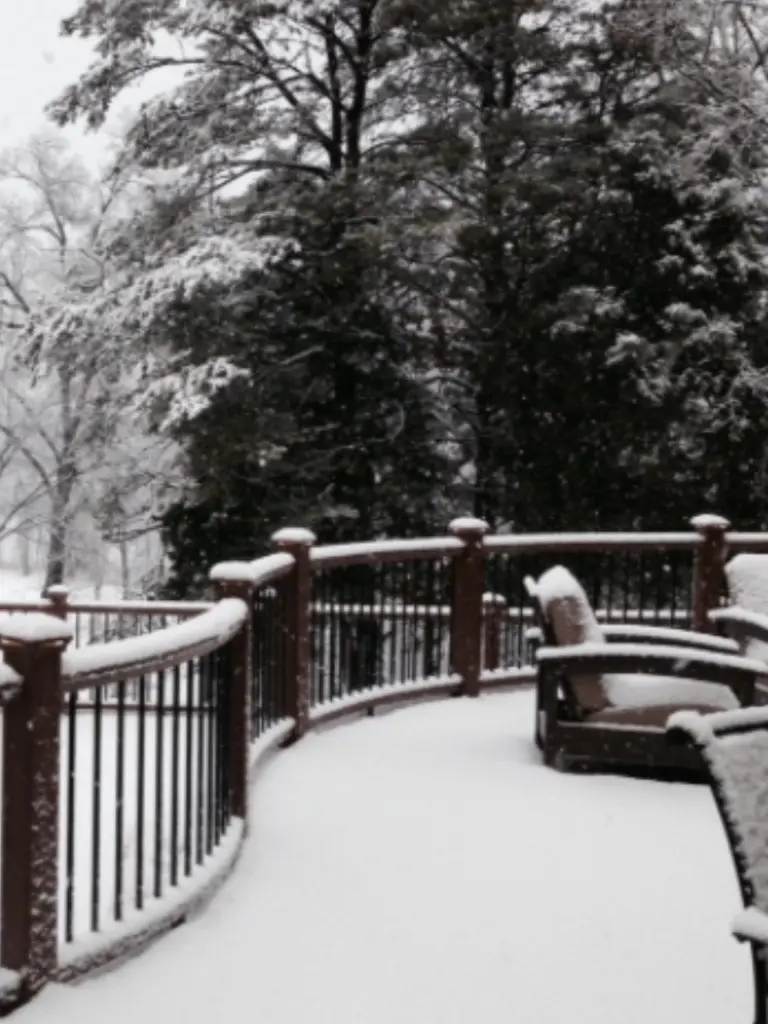
Many homeowners assume deck remodeling has to wait until spring or summer, but that's not necessarily true. At Classic Remodeling, we remodel decks year-round, including during Maryland's colder months. In fact, winter can be one of the best times to start your project.
What "Winter Deck Work" Actually Looks Like in Maryland
Maryland winters are variable. A January week in Howard County might bring 40-degree afternoons followed by hard freezes overnight, then a stretch of mild weather that feels almost like early spring. Frederick County and Carroll County tend to run colder, while Anne Arundel County and areas closer to the Chesapeake Bay moderate somewhat due to water influence. The variability is exactly why experienced contractors can keep working through the season: there are enough workable days to make meaningful progress, especially on composite decking installations where temperature constraints are less restrictive than with concrete or masonry work.
Deck remodeling work breaks into phases, and not all of them are weather-sensitive in the same way. Design, permitting, material ordering, demolition of the existing deck, and structural framing can all be accomplished in winter conditions that would halt other types of construction. The composite decking installation itself requires attention to manufacturer temperature guidelines, but most leading products allow installation in temperatures well below freezing provided the substrate is dry and the material is handled correctly.
1. Easier scheduling and shorter wait times
Spring and summer are the busiest seasons for outdoor remodeling, which means longer waitlists. During the winter, our crews often have greater availability, allowing your project to start sooner and finish faster, so your deck can be ready to enjoy as soon as warm weather arrives.
The backlog that builds up from March through September is real. Homeowners who contact us in April are often looking at project start dates in June or July, and projects that begin in the summer can push completion into fall for larger or more complex builds. Homeowners who engage us in November or December move to the front of the queue, which means we can spend more time on their project, keep crews on-site consistently, and deliver a finished result faster than the same project attempted in peak season.
The planning and permitting phase alone can take several weeks in Maryland jurisdictions. Howard County, Montgomery County, and other counties all require permits for deck construction and structural remodels, and permit review timelines vary. Starting in winter means permits are in hand and materials are staged before the first warm weekend of spring, rather than waiting behind a stack of spring permit applications that all arrive at the same time.
2. Potential cost savings
Some material suppliers and contractors offer off-season pricing in the winter. By scheduling your project before peak season, you may save on labor or materials, especially on a large remodel or an upgrade with premium decking like TimberTech, Trex, or Azek.
Composite decking from manufacturers like Trex, TimberTech AZEK, and similar brands is manufactured and warehoused year-round, but distributor inventory levels and supplier promotions shift with the seasons. Winter is a period when distributors are working down inventory from the previous season and may have favorable pricing on specific color lines or product SKUs. Your contractor's purchasing relationships matter here: established suppliers often pass along better pricing to contractors who work through the off-season rather than only buying in the spring rush.
For large deck remodels with premium materials, the savings from off-season purchasing can be meaningful. It's worth asking specifically about material pricing when you get your estimate in the fall or winter versus waiting until spring. The conversation alone is informative.
3. Ideal conditions for certain materials
Cold weather doesn't stop modern decking materials. Composite decking, for instance, can be installed year-round without the warping and expansion issues that sometimes affect wood. Our experienced installers know how to handle seasonal conditions safely and efficiently.
This point deserves some elaboration, because it's where winter deck work differs most from winter concrete or asphalt work. Traditional pressure-treated lumber requires time to dry and acclimate, and wet or frozen lumber can cause problems if it's worked before it stabilizes. Composite decking sidesteps most of those concerns. The product is dimensionally stable, doesn't absorb moisture the way wood does, and doesn't require the same acclimation period.
Fastener patterns and spacing may adjust slightly in cold weather to account for thermal contraction, but experienced installers know those adjustments and account for them as a matter of routine. The finished deck surface looks identical whether it was installed in January or June, and the long-term performance is the same. Hidden fastener systems used with many composite products also accommodate thermal movement better than face-fastened applications, which is another reason composite is the right choice for Maryland's temperature swings.
Structural work, including post bases, concrete footings, and framing, has more temperature sensitivity. Concrete poured in freezing conditions requires special handling to cure correctly. Our crews assess conditions on a project-by-project basis and schedule structural work during windows when temperatures are expected to stay above freezing through the cure period. This is exactly the kind of judgment that comes from years of experience working in Maryland's unpredictable winter weather.
4. Ready for spring entertaining
Starting your deck remodel in winter means it's fully finished, and stunning, by the time temperatures rise. No need to delay your first barbecue or family gathering waiting for construction to wrap up.
There's a real frustration that comes with watching a beautiful May weekend go by while your deck project is still in progress. Families who schedule their deck remodels in winter are done by March or April in most cases, which means they get the full benefit of the deck from the first warm weekend of spring through the last comfortable evening of fall. That's an entire extra season of use that spring starters often miss.
For homeowners in Montgomery County and Carroll County where spring arrives somewhat later than coastal areas, the math is especially clear. A project completed in late winter is ready to use by the time outdoor entertaining season starts, with no overlap between construction and enjoyment.
5. Less disruption to your routine
Because outdoor spaces are used less frequently in the winter, a remodel is less likely to interfere with your day-to-day life. You'll hardly miss the deck while we work, and you'll gain a beautiful new outdoor space just in time for warmer months.
Deck construction involves noise, material staging, and temporary changes to yard access. In summer, when families are eating dinner outside, letting kids play in the yard, and using the outdoor space every day, construction in that same space is genuinely disruptive. In winter, most families have already naturally migrated indoors, and the construction footprint doesn't affect daily routines in the same way. Noise is still a consideration, but even that tends to matter less when windows are closed against the cold.
If you have a dog that uses the backyard, a gate or temporary fencing arrangement during winter construction is a minor inconvenience. The same situation in July, with kids wanting to use the yard every afternoon, creates more friction. Winter just makes the logistics easier for everyone.
Choosing the Right Materials for a Maryland Winter Deck Project
If you haven't chosen your decking material yet, a winter project is a good opportunity to think through the options carefully without the pressure of wanting the deck done before a specific summer event. The main categories for Maryland homes are pressure-treated lumber, composite decking, and tropical hardwoods like ipe.
Pressure-treated lumber is the most affordable upfront but requires the most long-term maintenance: sealing or staining every 2 to 3 years, replacing boards that rot at connections, and dealing with the splintering that comes with weathering. In Maryland's humid climate, the maintenance cycle is real and ongoing.
Composite decking from Trex, TimberTech AZEK, and similar manufacturers costs more upfront but delivers dramatically lower maintenance over the life of the deck. A composite deck in Maryland essentially requires washing once or twice a year to remove pollen and organic growth, with no sealing, staining, or board replacement for the life of the product. For families who want to enjoy their deck rather than maintain it, composite is the practical choice. Our deck services cover all material options and include detailed comparisons to help you make the right decision for your budget and priorities.
Final thoughts
So, can you remodel a deck in the winter? Yes! With the right materials, an experienced team, and proper planning, winter can actually be one of the smartest times to invest in your home's outdoor space. Contact Classic Remodeling today to design and build a deck that's beautiful, durable, and ready for every season.
Request your free written estimate at /quote/ or call us at (888) 371-1720. Our team will walk you through material options, handle the permitting process, and get your project scheduled so you're ready to enjoy the deck the moment warm weather arrives.