
Article · June 2024
Roof Revival: 5 Signs It Is Time for a New Roof
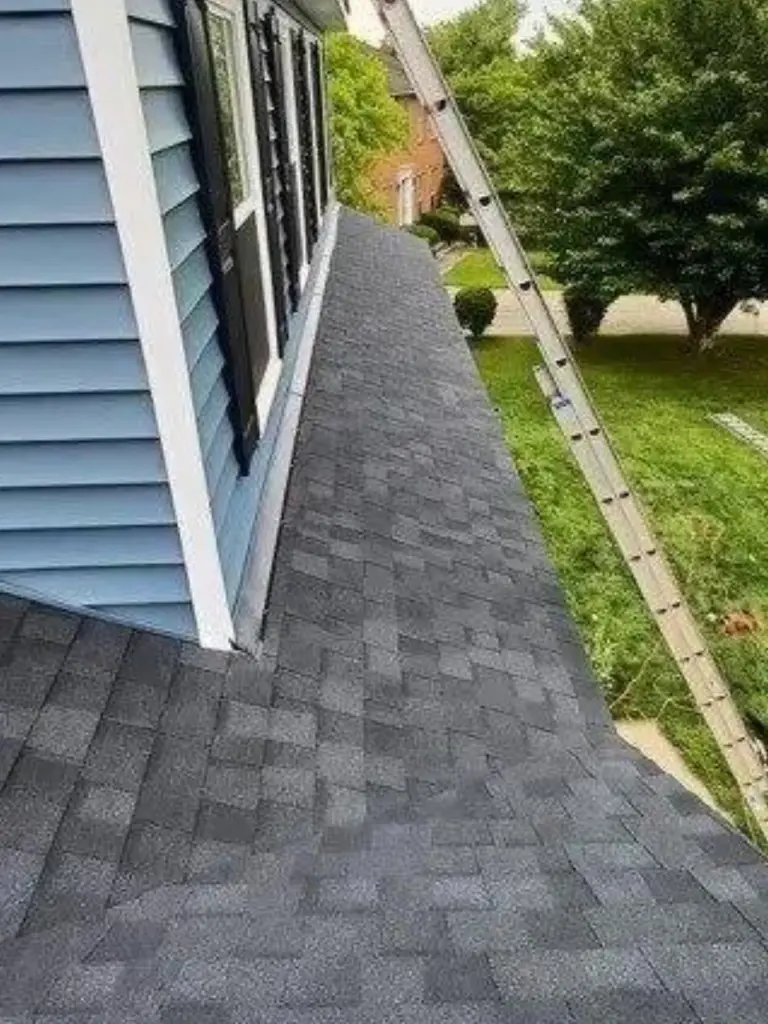
A roof is more than just a cap on your house; it's your shield against all weather elements, protecting the integrity of your home. Ensuring your roof is in top condition is critical to the safety of your home. Here are five telltale signs that indicate it may be time to invest in a new roof.
Something's Growing!
Neglected shingles can become a breeding ground for moss and algae, signaling potential trouble. Dark streaks or blotches on your roof shingles are clear indicators of algae presence. Algae not only compromises the structural integrity of your roof but also diminishes its ability to reflect sunlight and regulate interior temperatures.
Maryland's humid summers create ideal conditions for algae growth, particularly the Gloeocapsa magma strain that produces those dark black or greenish streaks you see on roofs across Howard, Carroll, and Baltimore counties. The algae feeds on the limestone filler in asphalt shingles, gradually eating away at the material from the surface down. Moss, which holds moisture against the shingle surface, accelerates this process and can also work its way under shingle edges, lifting them and allowing water infiltration.
A few dark streaks do not automatically mean you need a full roof replacement. A roofing professional can assess whether treatment and preventive zinc or copper strips can extend the roof's useful life, or whether the underlying shingle degradation has progressed too far to make treatment worthwhile. If your shingles are also showing granule loss or brittleness alongside the biological growth, that combination usually tips the scales toward replacement.
Water Damage
The unmistakable sound of dripping water is often the first sign of trouble. While visible leaks are alarming, it's the hidden water damage lurking within walls and ceilings that poses the greater threat. Checking your attic or floorboards after heavy weather can help uncover these hidden issues before they escalate into mold and mildew problems.
Attic inspection is one of the most underused diagnostic tools homeowners have available. Grab a flashlight after the next significant rainstorm and spend ten minutes in your attic. Look for wet insulation, water stains on rafters or decking, and any daylight visible through the roof. Water that entered the attic during one storm may take weeks to cause a visible ceiling stain in the living space below, meaning the damage clock starts well before you are aware of the problem.
Pay particular attention to areas around penetrations: chimneys, plumbing vents, skylights, and attic fans. These are the points where flashing and sealants bear the brunt of thermal expansion and storm exposure. Flashing failures are among the most common sources of roof leaks and are sometimes repairable without full replacement, but they warrant prompt professional assessment.
Maryland's freeze-thaw cycles create a specific hazard called ice damming. When attic heat melts snow on the upper part of the roof and that meltwater refreezes at the cold eaves, a wall of ice forms that forces water back under shingles. Evidence of this pattern, such as staining at exterior walls just above the soffit, interior staining along exterior walls, or recurring ceiling damage near the eaves, suggests both a roofing issue and potentially an attic ventilation problem that needs to be corrected as part of any replacement.
Shingles Where They Shouldn't Be
Time and weather inevitably take their toll on roofing materials. Finding loose or missing shingles around your property is a clear indication that your roof may be compromised. Prompt action, including assessment by a roofing professional, is crucial to prevent further damage.
After a significant storm, it is worth doing a walk around your property to look for shingle debris in the yard, gutters, or flower beds. One or two missing shingles after an extreme wind event may be a straightforward repair. But if you are consistently finding shingles on the ground after moderate winds, or if shingles are cracking and breaking apart rather than lifting cleanly, the adhesive strip or the shingle base material itself is likely failing due to age.
Lift a corner of a shingle on a calm day and check its flexibility. Healthy asphalt shingles have some give. Shingles that crack or shatter when gently bent have lost their flexibility and are near the end of their protective life. This brittleness is often more advanced than it appears from the ground.
Pains in the Asphalt
Asphalt, a key component of roofing shingles, offers valuable insights into your roof's health. Cracked, curled, or blistered shingles are all signs of asphalt degradation, signaling potential issues with your roof's durability and longevity.
Curling takes two main forms. Cupping occurs when the edges of a shingle turn upward, creating a concave surface. Clawing happens when the middle of the shingle lifts while the edges remain flat. Both are caused by uneven moisture absorption between the top and bottom of the shingle mat, and both indicate a shingle that is no longer lying flat and sealing properly against wind and water.
Blistering appears as raised bubbles on the shingle surface and is typically caused by moisture trapped in the shingle during manufacturing or by poor attic ventilation that drives extreme heat into the underside of the shingles. In Maryland's hot summers, inadequate attic ventilation can push roof deck temperatures well above 150 degrees, accelerating blistering and shortening shingle life significantly. If you are seeing widespread blistering on a roof that is only 10 to 15 years old, inadequate ventilation may be the culprit.
Look also for bare patches where granules have washed away. Granules protect the asphalt binder from UV degradation, and once significant granule loss occurs, the shingle ages rapidly. Heavy granule accumulation in gutters or at downspout outlets after rain is a reliable indicator that your shingles are shedding at an accelerated rate.
Old, Aging Roof
Age catches up with everything, including your roof. If your roof is more than 20 years old, it's time to consider a replacement. Factors such as climate and roofing material can influence the lifespan of your roof, but regular inspections and proactive maintenance are essential to prolong its longevity.
In Maryland's climate, three-tab shingles typically reach the end of their reliable service life around the 20-year mark. Architectural or dimensional shingles, which have a heavier construction, often last several years longer when properly installed and maintained. But even a well-maintained 25-year-old roof is operating in borrowed time. Most insurance companies take a hard look at older roofs, and some carriers begin to limit coverage or require higher deductibles on roofs past a certain age.
If your home was built before 2000 and has never had a roof replacement, or if you purchased the home without clear documentation of the roof's age and history, an inspection by a qualified contractor is the best starting point. A professional can assess the remaining life expectancy and help you decide whether to budget for a replacement now on your timeline or risk waiting for a more urgent failure to force the decision.
When to Call a Professional Versus When to Wait
Not every imperfect shingle demands immediate roof replacement. A small number of missing shingles on an otherwise healthy, younger roof is often a legitimate repair situation. Flashing failures around chimneys and skylights are frequently repairable without disturbing the field shingles. The goal of an honest inspection is to give you an accurate picture of what condition your roof is actually in, not to push you toward the most expensive option.
The calculus shifts when multiple signs appear together: age combined with granule loss, algae growth combined with curling, water stains combined with blistering. Any one of these alone might be manageable. Several together usually indicate a roof system that has reached the point where repairs are spending money on a declining asset rather than protecting a sound one.
Time waits for no roof, but with proactive attention and the right roofing solutions, you can safeguard your home against the uncertainties of the future. Whether it's staying vigilant before and after weather events or exploring advanced roofing alternatives with Classic Remodeling, prioritizing your roof's care ensures it will continue to serve and protect your home for years to come.
Remember, take care of your roof, and it will take care of you.
Get an Expert Opinion on Your Roof's Condition
Classic Remodeling has been assessing and replacing roofs for Maryland homeowners since 1997, holding MHIC license #51277. Our roofing team serves communities across Howard County, Baltimore County, Carroll County, Montgomery County, Frederick County, Harford County, and Anne Arundel County. We provide honest assessments and free written estimates so you can make an informed decision without pressure.
Request your free estimate online or call (888) 371-1720 today. If your roof is showing any of these five warning signs, the right time to get a professional set of eyes on it is now, before Maryland's next major storm makes the decision for you.