
Article · February 18, 2025
Year-Round Roof Maintenance: Is Your Roof Ready for All Seasons?
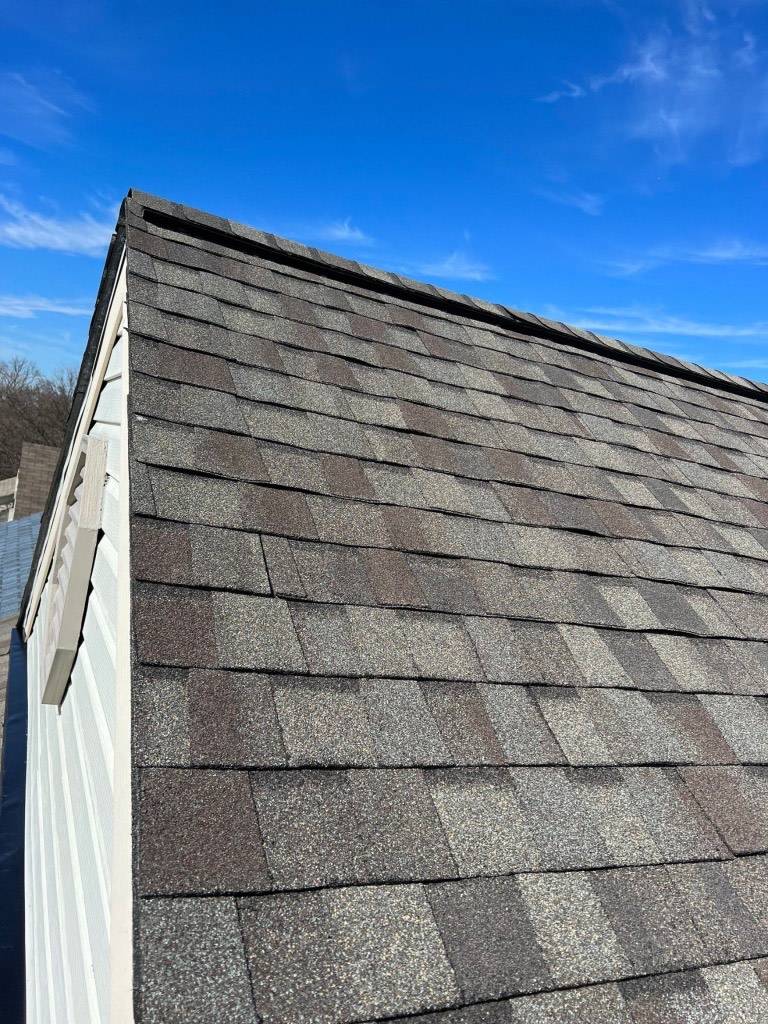
Your roof is your home's first line of defense against the elements. Year-round maintenance is crucial to protecting your home from the heat of summer, the heavy rains of spring, the crisp winds of fall, and the snow and ice of winter. Here's how to keep your roof in peak condition through every season.
Spring Roof Maintenance: Preparing for Heavy Rains and Growth
Spring often brings heavy rainfall, which can expose weaknesses in your roofing system. Here's how to prepare:
- Inspect for winter damage: Look for missing shingles, cracks, or leaks caused by winter storms.
- Clean your gutters: Ensure your gutters are clear of debris to prevent water from pooling on the roof.
- Check for mold and moss growth: Spring's moisture can promote mold, which weakens roofing materials.
Maryland springs are reliably wet. Howard and Montgomery counties regularly receive 4 to 5 inches of rain in April alone, and a roofing system with compromised flashing or cracked shingles will admit water long before you notice staining on an interior ceiling. The most productive spring inspection looks specifically at flashing around chimneys, skylights, and plumbing penetrations, because that's where water most commonly infiltrates even a relatively new roof. If you find granule loss in gutters after a winter of freeze-thaw cycles, that's a sign the shingles are aging and worth having a professional assess.
Algae and moss growth are especially common in shaded sections of roofs in our region, particularly on north-facing slopes and under overhanging tree canopies. Left unchecked, moss holds moisture against the shingle surface and can lift shingle tabs over time. Zinc or copper strips installed at the ridge release trace metals with each rain and inhibit biological growth over the course of several seasons.
Summer Roof Maintenance: Beating the Heat and UV Rays
High temperatures and strong UV rays can cause roofing materials to deteriorate. Protect your roof by:
- Inspecting for sun damage: Asphalt shingles can curl or crack under excessive heat.
- Improving ventilation: Proper attic ventilation helps regulate temperature and prevents heat buildup.
- Considering reflective coatings: Cool roofing materials or reflective coatings can reduce heat absorption, keeping your home cooler.
Maryland's combination of high summer temperatures and humidity creates a punishing environment for roof surfaces. Attic temperatures in poorly ventilated homes can reach 150 degrees Fahrenheit or higher on a hot July afternoon, which accelerates shingle deterioration from below while UV exposure attacks from above. This is the season where the quality and class of your shingles becomes most apparent. CertainTeed's Landmark and Landmark Pro lines, for example, carry a Class A fire rating and are engineered for solar reflectance that reduces heat absorption compared to standard asphalt shingles.
Summer is also the right time to address the relationship between your roof and your attic ventilation. A balanced intake and exhaust ventilation system keeps attic air moving, which reduces the heat load on your shingles from below and lowers your cooling costs inside. If your home is in Anne Arundel County or other coastal areas, summer storms also arrive with higher wind speeds than inland areas, making it worth confirming that your shingles carry an adequate wind rating for your specific exposure.
Fall Roof Maintenance: Prepping for Wind and Falling Debris
With falling leaves and occasional strong winds, fall is the time to prepare for the upcoming winter months.
- Trim overhanging branches: Prevent leaves and debris from clogging gutters and damaging the roof.
- Inspect flashing and seals: Ensure that chimneys, vents, and skylights are properly sealed to prevent leaks.
- Schedule a professional inspection: It's a great time to have a roofer assess any needed repairs before winter arrives.
Fall is the most important season to schedule a professional roof inspection in Maryland. Getting a qualified contractor on the roof before the first hard freeze gives you time to address any issues before winter conditions make repairs more difficult and more expensive. Roof work in frozen conditions requires adhesives and materials that perform differently at low temperatures, and some repair types simply aren't practical once the thermometer drops below 40 degrees consistently.
Gutter cleaning in fall deserves particular attention in Maryland, where oak, maple, and sweetgum trees shed heavily throughout October and November. Gutters clogged with leaf debris cause water to back up against the fascia and potentially under the bottom course of shingles at the eave line. Installing gutter guards after a fall cleaning can reduce how often this maintenance is required, though no gutter guard design eliminates the need for periodic checking entirely. If your home is in a heavily wooded area of Carroll or Frederick County, fall gutter maintenance may need to happen two or three times rather than once.
Winter Roof Maintenance: Defending Against Snow and Ice
Cold temperatures and snow accumulation can put stress on your roof. Keep it in top shape by:
- Preventing ice dams: Ensure your attic is properly insulated and ventilated to stop ice buildup at the edges of the roof.
- Clearing excess snow: Heavy snow can lead to structural stress, consider using a roof rake to remove excess accumulation.
- Checking for leaks after storms: Snow and ice melting can reveal hidden leaks that need immediate attention.
Maryland winters typically bring alternating above-freezing and below-freezing days rather than prolonged deep freezes, and that freeze-thaw pattern is exactly what makes ice dams so common here. Ice forms at the cold eave when melt water from a warm upper roof refreezes, and successive cycles build up a dam that forces water under shingles. The long-term solution is addressing attic heat: improving attic insulation so less heat escapes from living space into the attic, and improving ventilation so the attic stays cold and consistent. Self-adhesive ice and water shield underlayment installed at the eave during a roofing project provides a secondary barrier that prevents water infiltration even when ice dams do form.
For roof raking, use a lightweight plastic-headed rake on an extension pole and work from the eave upward in short strokes. Avoid metal rakes that can catch on and damage shingles. You generally only need to clear 3 to 4 feet from the eave, which is where ice dams form. Clearing the entire roof slope is rarely necessary except on flat or very low-slope roofs where structural loading is a concern.
Essential Year-Round Roof Maintenance Tips
- Regular inspections: Check your roof at least twice a year (spring and fall) and after major storms.
- Keep gutters clean: Proper drainage prevents water from backing up and damaging the roof structure.
- Fix minor issues promptly: Address small cracks, leaks, or missing shingles before they become major problems.
Knowing When Maintenance Isn't Enough
Even the most diligent maintenance schedule eventually reaches its limits. Most asphalt shingle roofs have a functional lifespan of 20 to 30 years depending on the shingle quality, installation method, and local climate conditions. Maryland's climate, with its UV exposure, humidity, and freeze-thaw cycles, tends to push roofs toward the lower end of that range unless high-quality materials were used at installation.
Signs that maintenance is giving way to replacement include widespread granule loss visible in downspouts and gutters, shingles that are cupping or clawing across multiple slopes, multiple areas of flashing failure, or interior staining in more than one location after a single storm. When repairs begin to approach 25 to 30 percent of the replacement cost, replacement typically offers better long-term value.
A roofing replacement also presents an opportunity to address the underlying systems: improving ventilation, upgrading underlayment, installing ice and water shield at vulnerable areas, and replacing gutters and downspouts at the same time to ensure the whole system works together. Explore your options on our roofing services page.
By following these year-round roof maintenance tips, you can extend the lifespan of your roof and keep your home safe in every season. A well-maintained roof prevents costly repairs and ensures long-term protection for your family and your investment.
Classic Remodeling has been inspecting, repairing, and replacing roofs for Maryland homeowners since 1997. We serve Howard, Montgomery, Carroll, Frederick, Baltimore, Harford, and Anne Arundel counties and offer free written estimates. Visit our estimate request page or call (888) 371-1720 to schedule a time that works for you.