
Article · May 23, 2025 · Updated September 22, 2026
The ROI of a New Roof: Is It Worth the Investment?
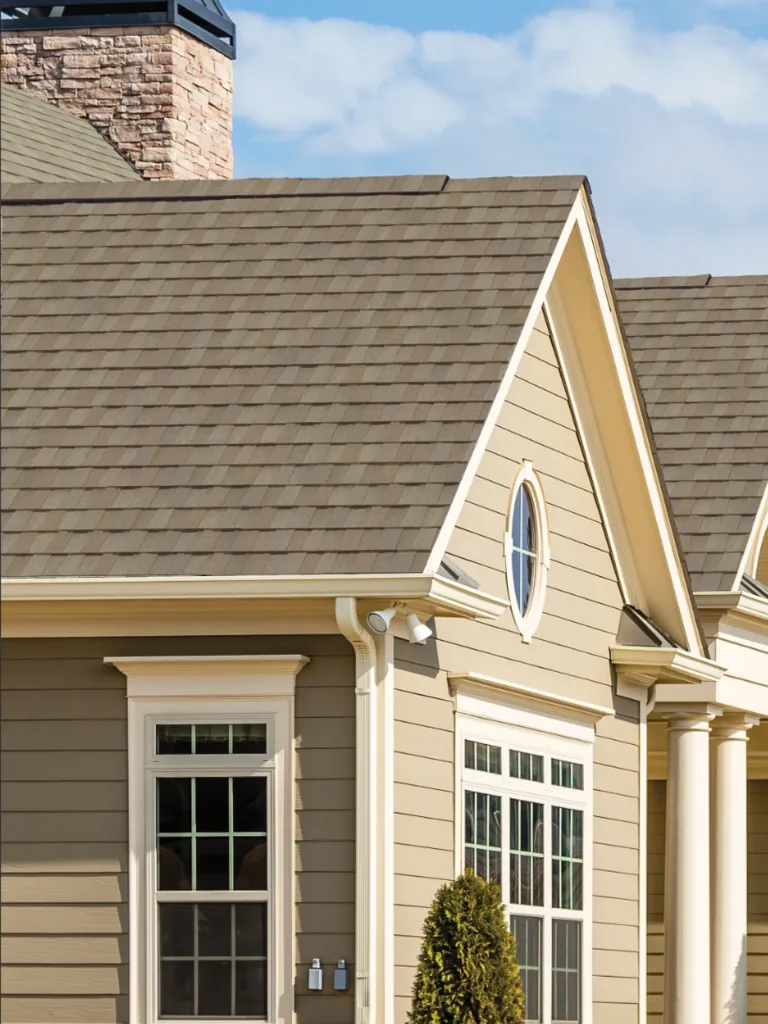
A new roof can be worth the cost when the existing roof is leaking, has widespread damage, or is no longer economical to repair. It may also support a future sale, but roof replacement is not a guaranteed profit or a fixed energy-saving measure. Its main financial value is protecting the house from avoidable water damage.
Roof Replacement Is Usually a Condition Decision First
A roof should not be replaced only because it reaches a particular birthday. Service life varies with material, installation, ventilation, exposure, maintenance, and storm damage. A qualified evaluation should consider the shingles or roof covering, flashings, penetrations, roof deck, drainage, attic conditions, and repair history.
The National Roofing Contractors Association explains in its homeowner guide for asphalt-shingle roof systems that inspection and maintenance can help optimize service life. A localized defect may be repairable. Repeated leaks, widespread material failure, or deteriorated decking can make a full roof replacement more reasonable.
Resale Data Is a Benchmark, Not a Promise
Zonda's 2025 Cost vs. Value Report compares modeled remodeling costs with estimated value added at resale. Its methodology uses project assumptions and input from real-estate professionals across national and local markets. The report is useful context, but it cannot predict the result for one house.
A buyer may value a recently replaced roof because it removes a near-term maintenance concern. That does not mean the seller will recover the full invoice. Market conditions, the roof's previous condition, product selection, workmanship, transferable warranty terms, and the rest of the property all affect how the work is perceived.
A New Roof Does Not Automatically Lower Energy Bills
Roofing material is only one part of the roof-and-attic system. Insulation, air sealing, duct location, ventilation strategy, roof color, shade, and heating and cooling equipment all influence energy use.
The U.S. Department of Energy notes that cool-roof savings depend on climate, insulation, roof type, and HVAC efficiency. Reflective roofing can reduce cooling demand in some situations but may carry a winter heating tradeoff in colder climates. Homeowners should not accept a fixed savings promise without an assessment of the whole assembly.
Warranty Coverage Depends on the Exact Product and Installation
Terms such as “lifetime” do not mean every cost is covered for as long as the house stands. Coverage can change after an initial protection period and may distinguish materials, labor, tear-off, disposal, workmanship, wind, algae, and transfer to a later owner.
For example, CertainTeed lists product-specific protection for Landmark shingles, including a lifetime-limited transferable warranty and defined periods for other coverage. The written warranty and installation requirements—not a general product-family claim—should be reviewed before purchase.
Compare the Full Roofing Scope
Two estimates using the same shingle name may cover different work. Ask each contractor to identify:
- How much existing roofing will be removed
- How damaged roof decking will be identified, priced, and replaced
- Which underlayment, leak barrier, flashing, ventilation, starter, and ridge products are included
- How gutters, siding, masonry, skylights, and penetrations will be protected or integrated
- Which manufacturer and workmanship warranties apply
- Whether permits, disposal, cleanup, and magnetic nail collection are included
That comparison is more useful than choosing an estimate from its monthly payment or headline warranty alone.
When Roof Replacement Is Likely Worth Considering
A replacement discussion is reasonable when an inspection finds widespread deterioration, recurring leaks in multiple areas, extensive storm damage, a deck that cannot reliably hold fasteners, or a roof configuration where repeated repairs no longer address the underlying problem.
If damage is limited and the rest of the system remains serviceable, a documented repair may be the better value. Ask what evidence supports replacement, which parts can be repaired, and what uncertainties will remain until the old roofing is removed.
The Practical Return Is Risk Reduction and Service Life
The strongest case for a new roof is not a promised resale percentage. It is a properly scoped system that keeps water out and gives the homeowner a clear maintenance and warranty record. Resale appeal and possible energy effects are secondary benefits whose value varies from house to house.
Classic Remodeling provides written roof-replacement estimates in its Maryland service area. Homeowners should compare the proposed system, exclusions, warranty documents, and repair alternatives before deciding whether replacement is the right investment.