
Article · July 2024
Crucial Benefits of Effective Attic Ventilation
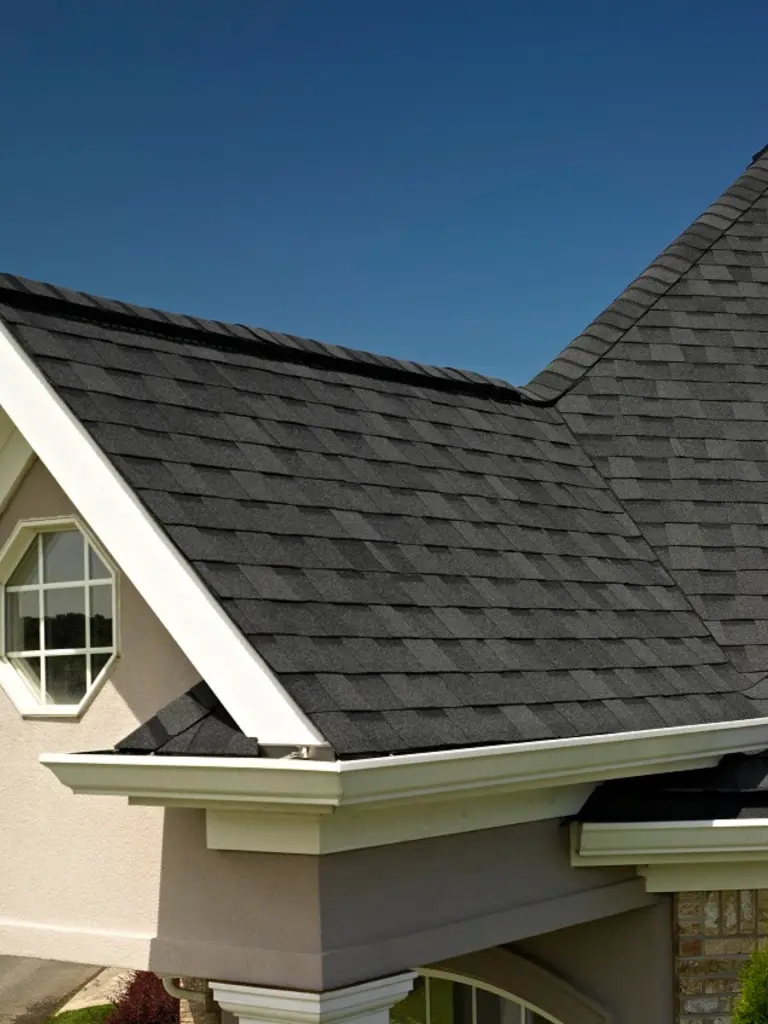
Proper attic ventilation systems facilitate a continuous flow of outside air through the attic, creating cooler spaces in the summer and drier conditions in the winter. An effective attic ventilation system consists of a balanced setup with air intake at the eaves or soffits at the bottom of the attic space and air exhaust through the ridge at the peak of the roof. Here's why proper attic ventilation is crucial for your home.
Benefits of Proper Attic Ventilation
Reduces Energy Consumption
During warmer months, the sun's heat is absorbed by the roof and radiates into the attic. Without proper ventilation, this heat can seep into the living spaces below, making the interior uncomfortable and increasing your utility bills. A balanced ventilation system helps keep the attic space cool by allowing a continuous flow of air that replaces hot air with fresh air. This reduces the strain on your air conditioning units, leading to lower energy consumption.
Maryland summers are especially demanding. Temperatures in Howard, Montgomery, and Baltimore counties regularly climb into the 90s with high humidity, which compounds heat buildup in poorly ventilated attics. Homeowners who address ventilation issues often notice a meaningful drop in their cooling costs during the July and August peak months.
Protects Against Material and Structural Damage
The shingles and decking of your roof system can deteriorate prematurely due to excessive heat and moisture buildup. Proper ventilation reduces the surface temperature of the shingles during hot months and keeps attics drier during colder months. This reduces the amount of moisture in the attic space, extending the lifespan of your roof system materials and protecting the structural integrity of your home.
Maryland's climate swings from humid summers to wet, freeze-thaw winters, creating conditions where attic moisture can condense on roof sheathing and rafters. Over time, trapped moisture encourages mold growth and wood rot, both of which compromise structural members that are expensive to repair. Brands like CertainTeed design their shingle systems with ventilation requirements in mind, and following those specifications is part of keeping your warranty intact.
Prevents Ice Dams
Ice dams form when heat from the inside of a home escapes into the attic, warming the roof decking during winter. This heat, combined with sunlight, can melt snow on the roof. The melting snow runs down toward the eaves as water, which then refreezes when it reaches the cold eaves and gutters. This continual thaw and refreeze process creates ice dams, which cause water to back up under the roof shingles. The result is water damage to attics, ceilings, and walls. Proper ventilation prevents this by keeping the attic and roof cool, reducing the risk of ice dams forming.
In Central Maryland, ice dam events are most common in January and February when daytime temperatures fluctuate above and below freezing. Frederick and Carroll county homes situated in areas with heavier snowfall are particularly susceptible. A cold, consistent attic temperature, maintained through balanced intake and exhaust ventilation, is the most reliable preventive measure available.
Understanding Intake vs. Exhaust: Getting the Balance Right
Many homeowners assume that adding more vents automatically improves ventilation. In reality, the ratio of intake to exhaust matters as much as the total number of vents. The general guideline from the building code is one square foot of net free ventilation area for every 150 square feet of attic floor space, split roughly equally between low intake vents and high exhaust vents.
Common intake locations include:
- Soffit vents running along the underside of your eaves
- Continuous perforated soffit panels installed during a siding or roofing project
- Over-fascia vents when soffits are enclosed
Common exhaust options include:
- Ridge vents running the full length of the roof peak, the most efficient passive exhaust option
- Static box vents placed near the ridge
- Power attic ventilators for situations where passive ventilation is insufficient
Mixing exhaust types, such as combining ridge vents and box vents, can actually short-circuit airflow and reduce effectiveness. A professional assessment ensures your home gets the right combination for its specific roof geometry. If your home is due for a roofing replacement, it's an ideal time to upgrade your ventilation system at the same time.
Signs Your Attic Ventilation May Be Inadequate
Not every homeowner thinks to check attic ventilation until a problem appears. Here are warning signs worth investigating:
- Shingles that are curling, blistering, or aging faster than expected
- Ice dams forming at the roof edge in winter
- Visible frost or condensation on attic surfaces during cold months
- Unusually high cooling bills in summer despite normal outdoor temperatures
- A musty smell in the attic or upper floors, which may indicate mold from trapped moisture
- Insulation that feels damp or appears compacted
Any one of these symptoms is worth having evaluated. Multiple symptoms together suggest a ventilation problem that is actively shortening the life of your roofing system and potentially affecting indoor air quality.
How Ventilation Works Together with Insulation
Attic ventilation and attic insulation work as a team, and improving one without considering the other can create new problems. Insulation on the attic floor keeps conditioned air in your living space. Ventilation keeps the attic itself close to the outdoor temperature. Together, they prevent the heat transfer and moisture buildup that cause the issues described above.
A common mistake is piling extra insulation over soffit areas, inadvertently blocking the intake vents. Baffles, sometimes called rafter baffles or insulation dams, installed between rafters solve this problem by keeping a clear channel from soffit to ridge even after insulation is installed or added. If your home is in Anne Arundel or Montgomery County and you're planning an energy efficiency upgrade, make sure any contractor addresses both insulation and ventilation together rather than treating them as separate systems.
Proper attic ventilation is not merely a supplementary aspect of home maintenance; it is vital for maintaining your home's energy efficiency, protecting against structural damage, and preventing costly issues like ice dams. Ensuring a balanced ventilation system in your attic will contribute to a more comfortable, efficient, and durable home environment. If you're unsure about your attic ventilation, consider asking Classic Remodeling to evaluate and recommend the best solutions for your home.
When to Call a Professional
Attic ventilation assessments are most productive when combined with a broader roofing inspection. If your roof is approaching 15 to 20 years old, if you've had moisture-related issues in your attic, or if you're planning any exterior work on your home, it's worth having a qualified contractor take a look. Addressing ventilation deficiencies early is far less expensive than replacing water-damaged sheathing or dealing with a mold remediation project.
Classic Remodeling has served homeowners across Howard, Montgomery, Carroll, Frederick, Baltimore, Harford, and Anne Arundel counties since 1997. Our team can evaluate your current system and recommend practical improvements that fit your home and your budget. To schedule a free written estimate, visit our online quote page or call us at (888) 371-1720. We look forward to helping you protect one of your most important investments.