
Article · May 6, 2025 · Updated September 22, 2026
The Best Exterior Renovation Projects for Boosting Home Value
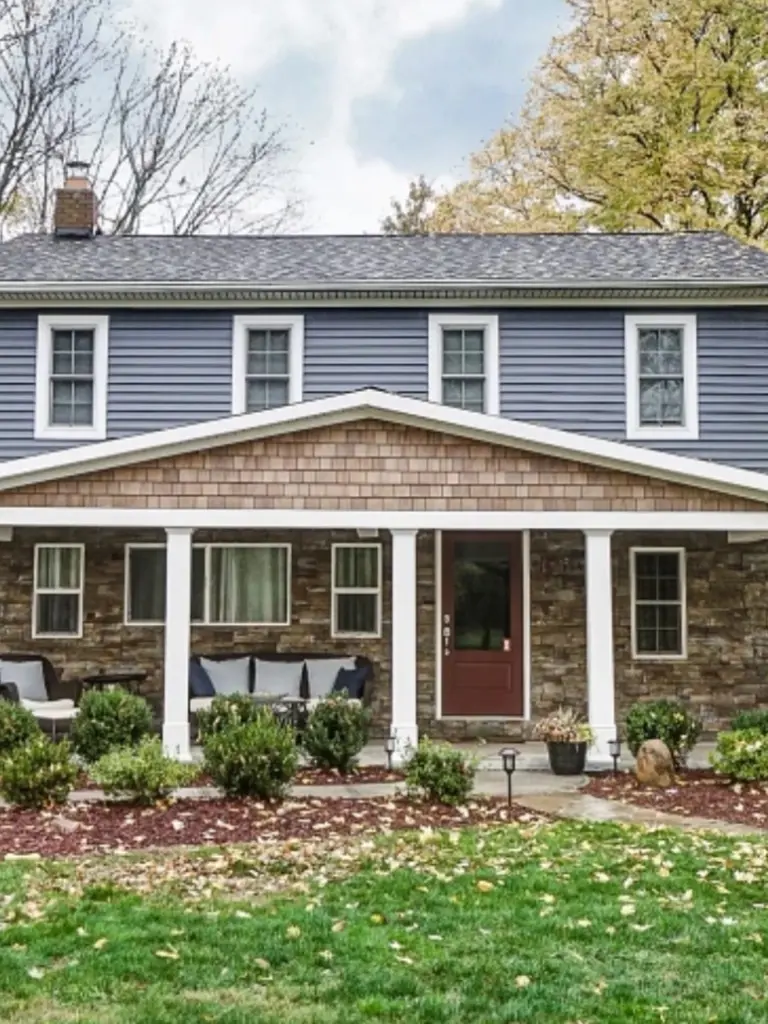
The exterior renovation most likely to add value depends on the home's condition and the owner's plans. National resale data favors visible replacement projects such as garage doors, entry doors, stone veneer, siding, and decks. A leaking roof or damaged exterior should still come first, even when another project posts a higher average resale percentage.
What the Cost vs. Value Report Actually Measures
Zonda's 2025 Cost vs. Value Report compares modeled project costs with the value that surveyed real-estate professionals expect those projects to add at resale. It is useful for comparing broad national patterns, but it is not a promise that a homeowner will recover a particular amount.
The report's leading exterior projects were:
- Garage door replacement: 267.7% of modeled cost recouped
- Steel entry door replacement: 216.4%
- Manufactured stone veneer: 207.9%
- Fiber-cement siding replacement: 113.7%
- Vinyl siding replacement: 96.5%
- Wood deck addition: 94.9%
- Composite deck addition: 88.5%
Those figures describe national averages for specific project assumptions. Local demand, the home's starting condition, product choices, installation quality, and the timing of a sale can all change the result. A percentage above 100% should not be treated as a guaranteed profit.
Repair Active Damage Before Chasing Resale Value
Resale rankings should not override an active water or safety problem. The U.S. Environmental Protection Agency advises homeowners to fix water problems promptly and dry wet materials quickly. A roof leak, failed flashing, loose railing, or opening that admits water deserves attention before a cosmetic upgrade.
A practical first step is to separate projects into three groups:
- Urgent repairs: active leaks, structural movement, unsafe stairs or railings, and openings that no longer close or lock properly.
- Protective replacements: aging roofing, failed siding, deteriorated trim, or windows and doors that cannot be repaired effectively.
- Optional improvements: decks, porches, new colors, and other projects primarily intended to improve use or appearance.
Siding Can Combine Protection and Visible Change
Siding ranked strongly in Zonda's national comparison, but its condition matters more than the percentage alone. Localized damage may call for repair, while widespread cracking, loose panels, moisture behind the cladding, or failing trim can support a broader replacement discussion.
A siding project is also a chance to inspect the wall beneath the old material and coordinate flashing around windows, doors, and roof-to-wall intersections. The scope should be based on what is found, not on a resale estimate by itself.
Deck Value Depends on How the Space Will Be Used
Both wood and composite deck additions appeared among the report's stronger exterior categories. That does not make one material universally better. Wood usually starts with a lower project cost and requires periodic finishing. Composite generally costs more initially but reduces routine board-finishing work. Layout, structure, shade, stairs, railing, and access to the yard often matter more to daily use than the material name.
Before planning a new deck, decide how many people will use it, what furniture must fit, and whether the existing structure can remain. Those decisions produce a more useful plan than selecting a size from a resale table.
Roofing, Windows, and Doors Need a Condition-Based Decision
A roof replacement is primarily a building-protection decision. If the roof is performing well, replacing it solely for a projected return may not make sense. If it is leaking, nearing the end of its service life, or has widespread damage, delaying replacement can expose other parts of the home to moisture.
The same principle applies to windows and exterior doors. Repairable weatherstripping or hardware does not necessarily justify full replacement. Persistent water entry, frame deterioration, failed insulated glass, poor operation, or a planned change in the opening may.
Sequence Related Exterior Projects Carefully
Project order can prevent repeated work. Roofing and drainage problems generally come before new siding. Window or door replacement should be coordinated with siding when both are planned, because the flashing and trim intersect. A deck or covered entry should be designed around finished door heights, drainage, and any wall work that must happen first.
Before signing a Maryland home-improvement contract, homeowners can verify the contractor through the Maryland Home Improvement Commission. The written proposal should identify the scope, products, exclusions, payment schedule, and applicable warranty documents.
Questions to Ask Before Choosing a Project
- Is there active water entry, structural damage, or a safety concern?
- Can the existing component be repaired responsibly?
- How long do you expect to remain in the home?
- Will the improvement make the home more useful now, even if resale value varies?
- Does the estimate account for related flashing, trim, drainage, permits, and repairs uncovered during removal?
For homeowners comparing several exterior projects, Classic Remodeling can provide a written estimate for the work within its service scope. The best starting point is still the same: address active damage first, then compare improvements according to use, budget, and realistic resale expectations.