
Article · September 3, 2025 · Updated September 22, 2026
The Hidden Costs of Delaying Home Repairs
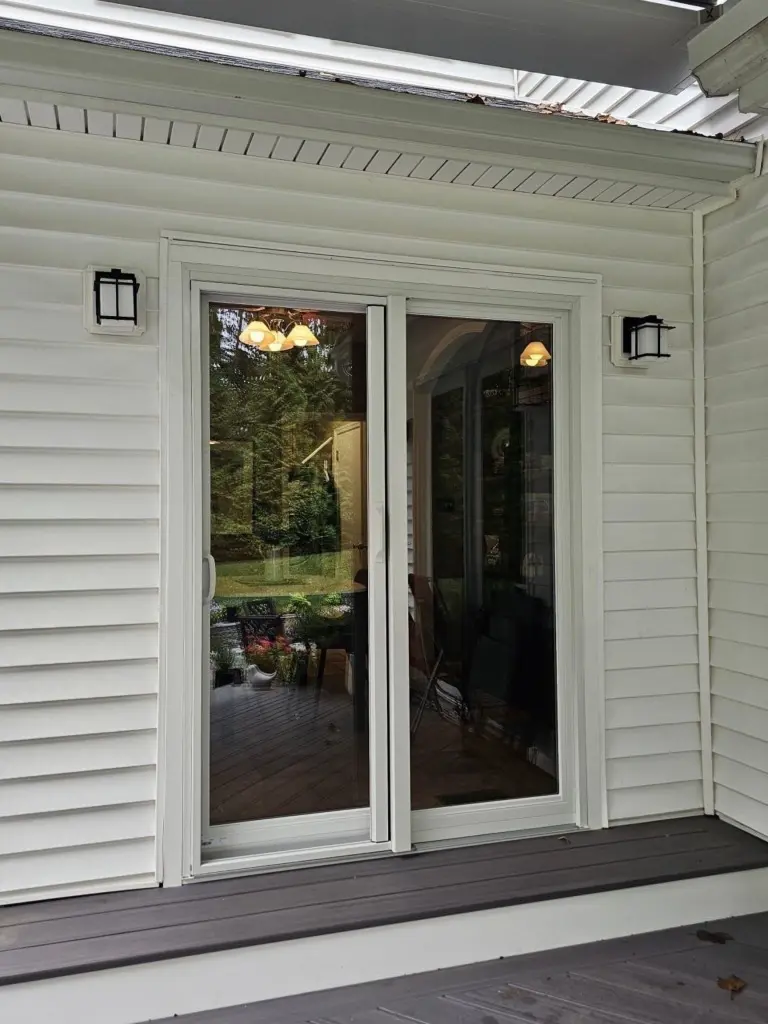
Delaying a home repair becomes expensive when the original problem allows water in, weakens a structural connection, creates a safety hazard, or damages an adjoining system. Not every crack or worn finish is an emergency. The useful question is whether the condition is stable and cosmetic or whether it is actively causing additional damage.
Active Water Entry Deserves the Fastest Response
Water can move beyond the place where it first appears. A roof stain may originate at flashing farther upslope, and moisture around a window may come from the opening, the wall above it, or indoor condensation. The source should be identified before surfaces are covered or replaced.
The U.S. Environmental Protection Agency says moisture control is the key to mold control and recommends drying wet materials within 24–48 hours when possible. That does not mean every leak automatically creates mold or structural damage. It does mean an active leak should not be left to repeat while only the visible stain is repaired.
A Small Roof Problem Can Affect More Than the Shingles
Missing shingles, open flashing, damaged pipe boots, and clogged drainage can expose roof decking, insulation, ceilings, or walls to water. The appropriate response may be a localized repair or a broader roof replacement; age alone does not decide the scope.
The National Roofing Contractors Association's homeowner guide for asphalt-shingle roofs treats inspection and maintenance as part of protecting a roof system's service life. Homeowners can look from the ground for visible changes and check the attic for moisture, but walking on a roof should be left to someone trained and equipped to do it safely.
Failed Siding or Trim Can Hide Damage Behind the Surface
A loose panel or small area of failed caulk may be repairable. Widespread cracking, soft trim, repeated staining, or movement around openings can indicate that water-management details need a closer look. If moisture has reached sheathing or framing, the concealed material may need repair before new siding is installed.
The cost of delay is not a fixed multiplier. It depends on how long water has entered, how easily the assembly can dry, and which materials are affected. An inspection is more useful than assuming either that the visible defect is harmless or that the entire wall must be replaced.
Window and Door Problems Do Not All Require Replacement
Air leakage, difficult operation, failed weatherstripping, damaged hardware, fogged insulated glass, frame deterioration, and water entry are different problems. Some can be repaired; others may justify window replacement or door replacement.
The U.S. Department of Energy explains that a home's thermal envelope includes the roof, walls, foundation, windows, and doors, with heat also moving through gaps around those components. A new product cannot correct every source of discomfort if attic insulation, ducts, or other air leaks are the larger problem. Diagnose the house before promising utility savings from one component.
Deck Safety Concerns Should Not Wait for Cosmetic Work
Faded boards and surface staining are usually maintenance questions. Movement at the ledger, soft structural members, loose guards, unstable stairs, or visibly deteriorated connections are different. Limit access to an area that feels unstable and have the structure evaluated before resurfacing it.
New decking placed over a compromised frame does not solve the structural issue. A responsible deck assessment separates the condition of the walking surface from the condition of the framing, footings, stairs, guards, and attachment to the house.
Prioritize Repairs by Consequence, Not Appearance
A practical order is:
- Immediate safety concerns: unstable stairs or guards, electrical hazards, structural movement, or areas that should not remain in use.
- Active water problems: roof, flashing, plumbing, window, door, siding, gutter, or drainage leaks.
- Conditions that are worsening: spreading rot, recurring moisture, loose materials, or failed seals that no longer keep weather out.
- Stable maintenance and cosmetic work: finishes, isolated wear, and appearance changes that are not allowing further damage.
This order will vary with the home. If the source is uncertain, document when the problem appears, take photographs, and ask the appropriate contractor or specialist to identify the cause before proposing a finish-level fix.
Planning Ahead Creates Better Choices
Addressing a developing problem before it becomes an emergency can leave time to compare scopes, products, warranty terms, and scheduling. It may also allow related projects—such as windows and siding—to be coordinated where their flashing and trim details meet.
No article can determine whether a specific condition needs repair or replacement. A written assessment should explain what was observed, what remains unknown, and which work is necessary now versus work that can reasonably be monitored.