Article · March 14, 2024

"Coolest" Trex Decking Yet

Trex was recognized as a winner in Good Housekeeping's 2024 Sustainable Innovation Awards for its innovative Trex Transcend® Lineage™ decking.

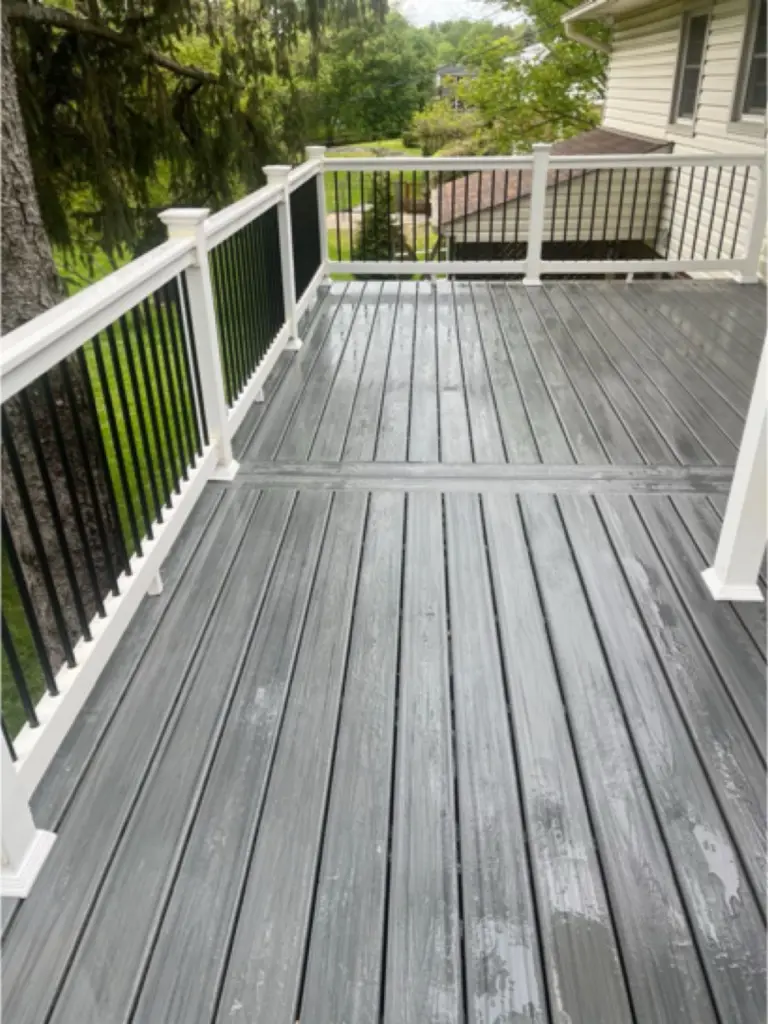
Made from 95% recycled and reclaimed materials, Trex Transcend Lineage represents the brand's coolest decking yet, literally. Engineered with heat-mitigating technology in the shell, Lineage boards reflect the sun to keep the surface cooler. This premium composite decking also features an elevated aesthetic with subtle hues and elegant graining that delivers an unmatched natural appearance.

Enhancing its appeal to eco-minded consumers, Trex Transcend Lineage offers the look and feel of real wood, but without the environmental impact of deforestation. Boards are comprised of upcycled polyethylene plastic film and industrial wood scrap, making Lineage an environmentally friendly choice that feels as good as it looks.

Like all Trex decking, Lineage boards are engineered with a proprietary, high-traffic formulation and ultra-durable integrated shell that resists stains, scratches and mold. They won't rot, warp, crack or splinter like wood, and upkeep is hassle-free. No sanding, staining or painting is ever needed, and spills wash off easily with just soap and water. For added peace of mind, Lineage decking is backed by a 50-year limited warranty.

Trex Transcend Lineage is offered in five nature-inspired hues: Island Mist, Carmel, Biscayne, Rainier, and Jasper.

Why Maryland Homeowners Love Low-Maintenance Composite Decking

Maryland's climate puts outdoor surfaces through a genuine workout. Summers in Howard and Anne Arundel counties bring weeks of high humidity, intense UV exposure, and afternoon thunderstorms that soak deck boards thoroughly and then bake them dry the next morning. Fall means leaf litter and tannin stains from overhanging oaks and maples. Winter brings freeze-thaw cycles that drive moisture into any material with a pore structure, and spring delivers weeks of rain that keep wood decks perpetually damp.

Pressure-treated lumber handles this cycle poorly over time. Even treated pine will check, splinter, and gray out within a few years without annual sanding and sealing, and the chemicals used in older treated lumber have raised environmental concerns in properties near waterways, a real consideration for homeowners near the Patuxent River, the Patapsco, or the Chesapeake Bay tributaries that thread through much of central Maryland.

Composite decking in general, and Trex Transcend Lineage specifically, sidesteps all of these maintenance headaches. The integrated shell technology means there are no open pores to absorb water, no way for mold to root into the material, and no need for seasonal sealing. A rinse with soap and water after a crab feast or a backyard party is genuinely all the maintenance it needs.

The Heat-Mitigating Shell: What It Means for Summer Comfort

One criticism sometimes leveled at composite decking is that it can get uncomfortably hot underfoot on a sunny July afternoon. Trex addressed this directly in the Transcend Lineage line with a shell formulation engineered to reflect rather than absorb solar energy. This does not make the boards as cool as natural wood in shade, but it meaningfully reduces the surface temperature compared to earlier composite products on the same sun-exposed deck plane.

For Maryland homeowners who use their decks heavily through the summer, this is a practical quality-of-life improvement. If you walk barefoot from the back door to the grill, or if your children and pets use the deck throughout the day, a cooler surface makes the space more livable during those peak afternoon hours from late June through August. Pairing Lineage boards with a pergola or shade structure amplifies this benefit considerably, and a well-designed pergola can reduce surface temperatures further by blocking direct overhead sun during the hottest part of the day.

Color Options and Aesthetic Considerations

Trex Transcend Lineage comes in five colors: Island Mist, Carmel, Biscayne, Rainier, and Jasper. Each is designed to suggest natural wood without mimicking any single species slavishly. The graining patterns are subtle and vary board to board, which is what gives composite decking a more authentic appearance compared to older products with repetitive embossing patterns.

Choosing the right color for your specific home comes down to a few factors. Consider your home's siding color first. Warm-toned siding (cream, tan, brick) pairs naturally with Carmel or Jasper. Cooler gray or white exteriors can handle the full range but tend to look especially sharp with Island Mist or Rainier. Biscayne, a warm sandy tone, works across a wide range of exteriors and is a strong choice when you want the deck to read as an extension of the landscape rather than contrasting sharply with it.

Also think about what you will place on the deck. Dark furniture shows up crisply against lighter board colors. Natural wicker or teak tones can blend with warmer decking in a way that looks cohesive and relaxed. If you are designing a full outdoor living space rather than just replacing boards, it is worth pulling together your furniture, railing, and fascia choices alongside the decking color before committing.

What Goes Into a Quality Deck Installation

The decking boards themselves are only part of the equation. A composite deck performs beautifully over decades when it is built on a properly sized and pressure-treated substructure with the right joist spacing for composite materials. Most composite decking manufacturers, including Trex, specify maximum joist spacing that may differ from traditional wood deck framing. Installing Lineage boards on an improperly spaced substructure can lead to flex underfoot or, over time, fastener pullout.

Fastening method also matters. Hidden fastener systems, which clip into the board grooves rather than penetrating the face of the board, produce the cleanest finished appearance and eliminate the staining that can occur around face-screw penetrations on cheaper installations. Trex offers its own hidden fastener system designed specifically for Lineage and other Transcend products.

Railing selection rounds out the project. Trex produces coordinating railing systems in aluminum and composite that are color-matched to the decking line, giving you a finished look that appears designed rather than assembled from whatever was in stock. Other railing brands like TimberTech AZEK also offer systems that pair well with Trex decking when you want a specific look that Trex's own railing line does not cover.

If you are thinking about adding an outdoor living space, check out our deck installation services to learn about what a professional build involves, or explore our enclosures page if you are interested in a screened or four-season space that extends your outdoor living further into the Maryland fall and spring. Homeowners across Howard County and Baltimore County have found that a well-built composite deck adds meaningful value to their home while reducing the ongoing maintenance burden that comes with wood.

Get a Free Estimate for Your Composite Deck

Classic Remodeling has been building decks for Maryland homeowners since 1997. If you are interested in Trex Transcend Lineage or other composite decking options, we would be glad to discuss your space, show you samples, and put together a free written estimate with no pressure and no obligation. Request your estimate online or call us at (888) 371-1720 to get started.

Related articles

← Back to Resources

Ready to start your project?

Free estimates across Central Maryland. Licensed & insured. MHIC #51277.

Request a Quote Call Now