
Article · March 2025
How to Know When to Replace the Windows in Your Home
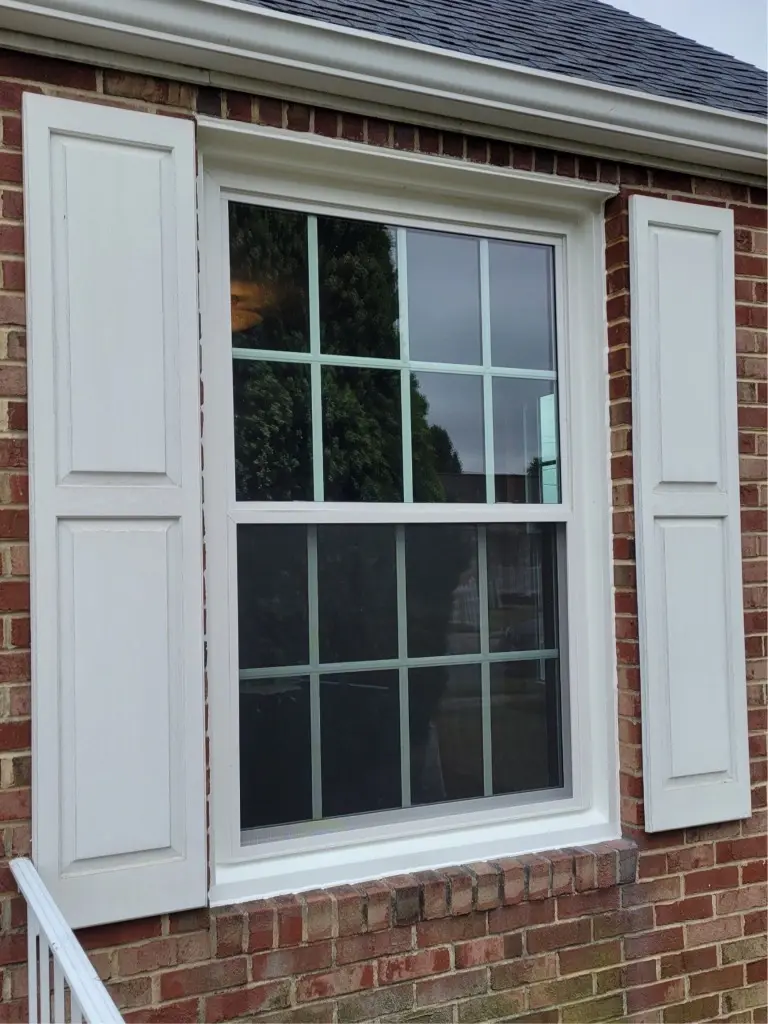
Windows play a crucial role in your home's energy efficiency, comfort, and aesthetic appeal. According to the U.S. Energy Information Administration, heating and cooling account for 52% of the average home's energy usage, which means outdated or failing windows could be costing you money.
But how do you know when it's time for a replacement? Here are the key signs that your windows may need an upgrade.
1. Fogging, Condensation, or Mold Between Glass Panes
If you notice condensation, fog, or mold trapped between your window panes, it's a sign that the seal has failed. Sealed windows contain insulating gases like argon or krypton, which help regulate indoor temperatures. When the seal breaks, the gas escapes, reducing energy efficiency and allowing moisture to build up.
Not only is this unsightly, but excess moisture can lead to mold growth and potential damage to surrounding window frames and walls.
2. Drafts and Air Infiltration
Do you feel a chilly draft in the winter or warm air seeping in during the summer, even when your windows are closed? This could be due to:
- Broken seals that no longer provide insulation
- Poor installation that leaves gaps around the frame
- Single-pane windows that aren't energy efficient
If you're constantly adjusting your thermostat to compensate for temperature fluctuations, replacing your windows with energy-efficient, double- or triple-pane models can make a significant difference.
3. Windows Won't Open or Close Properly
If your windows stick, jam, or fail to close completely, it's more than just an inconvenience, it's a potential energy drain. Improperly closing windows allow air leaks, increasing heating and cooling costs.
Common causes include:
- Warped or swollen frames due to moisture damage
- Worn-out balance systems in single- or double-hung windows
- Poor installation leading to misalignment
Replacing faulty windows will not only improve functionality but also enhance your home's security by ensuring a proper seal.
4. Warped, Sagging, or Deteriorating Frames
Window frames take a beating from the elements. Over time, exposure to moisture, extreme temperatures, and general wear and tear can cause them to warp, crack, or rot.
Signs of frame damage include:
- Soft or crumbling wood (indicating rot)
- Noticeable sagging or bowing in the frame
- Gaps between the frame and the wall, leading to air and water infiltration
If your frames are beyond repair, replacing them with durable, low-maintenance materials like vinyl, fiberglass, or composite will extend the lifespan of your windows.
5. Interior Finish Damage from Moisture
Wooden window frames with peeling paint, blistering finishes, or rot could be a sign of excess condensation inside your home. While a small amount of moisture is normal, excessive humidity can lead to long-term structural damage.
To prevent future issues, choose moisture-resistant window materials and maintain balanced indoor humidity levels.
6. Windows Are Hard to Clean
If you dread washing your windows because they're difficult to reach or clean, it may be time for an upgrade. Double-hung windows with tilt-in sashes make cleaning effortless, especially for second-story windows, eliminating the need for ladders.
Modern window designs prioritize convenience, making maintenance easier while keeping your home looking its best.
7. Outdated Windows Hurt Your Home's Aesthetic
Curb appeal matters. If your windows look outdated or don't match your home's design, replacing them can instantly elevate your home's exterior and increase its value.
Whether you prefer sleek black frames for a modern touch or classic wood finishes for a timeless look, today's window options allow for a seamless aesthetic upgrade.
How Maryland's Climate Accelerates Window Wear
Maryland homeowners face a particularly demanding climate when it comes to window performance. Summers in Howard, Montgomery, and Carroll counties bring high humidity and prolonged heat, which puts constant pressure on window seals and frames. Then winters arrive with freeze-thaw cycles that expand and contract materials repeatedly, stressing caulk lines, weatherstripping, and frame joints.
Coastal weather systems that push through Baltimore, Harford, and Anne Arundel counties add another layer of moisture exposure, including wind-driven rain that can work its way into even small gaps around a window frame. If your windows are more than 15 to 20 years old and were installed with builder-grade materials, those seals are almost certainly compromised by now.
Older aluminum-frame windows are especially problematic in Maryland's climate. Aluminum conducts heat and cold efficiently, which means they turn into frost magnets in January and radiate heat into your living room in August. Condensation on the interior glass surface is a near-daily occurrence with these frames during winter, and that persistent moisture can damage sills, walls, and trim over time.
What to Look for in a Replacement Window
Once you've decided to replace, the variety of window products on the market can feel overwhelming. Here are the key performance factors worth comparing.
Frame material. Vinyl windows are the most popular choice for Maryland homeowners because they don't rot, don't need painting, and insulate well. Fiberglass frames are dimensionally stable across temperature swings, making them an excellent choice in climates with significant seasonal change. Composite frames combine the durability of fiberglass with a wood-grain interior appearance. Brands like Alside and Vytex offer well-regarded vinyl lines that hold up in Mid-Atlantic conditions.
Glass package. At minimum, look for double-pane units with low-emissivity (Low-E) coatings and argon gas fill. Low-E coatings reflect radiant heat, keeping solar heat out in summer and retaining interior warmth in winter. For rooms facing west or with significant sun exposure, a more aggressive Low-E coating rated for solar heat gain control is worth the modest additional cost.
U-factor and SHGC ratings. The U-factor measures how well the window prevents heat from escaping. Lower is better, especially for Maryland winters. The Solar Heat Gain Coefficient (SHGC) measures how much solar heat the window lets in. A lower SHGC helps with summer cooling costs. For most Maryland homes, a U-factor below 0.30 and an SHGC below 0.25 provides a good balance year-round.
Installation quality. Even the best window underperforms if it's installed incorrectly. Proper flashing, air-sealing, and insulation around the rough opening are just as important as the window unit itself. A contractor who cuts corners on installation will undermine the thermal performance you paid for.
For homes where windows and entry doors are both overdue for replacement, addressing both at once can simplify the project and reduce labor costs. Learn more about our window services and door services.
When Repair Is an Option and When It Isn't
Not every window problem requires full replacement. Weatherstripping and caulk can be replaced affordably and may restore a reasonable seal on an otherwise sound window. If a single pane has cracked, some glaziers can replace just the glass unit without pulling the whole frame. And if the hardware, such as locks, cranks, or balance springs, is worn, replacement hardware is available for most major window brands.
That said, repair rarely makes sense when the frame itself has rotted, when the insulated glass unit has failed (indicated by fogging between the panes), or when the window is single-pane and the upgrade to a double-pane product would deliver meaningful energy savings. In those cases, replacement is the more cost-effective long-term decision.
If you're uncertain whether your windows need repair or full replacement, a professional assessment is the most reliable way to know. A contractor can identify whether the issue is isolated to hardware or weatherstripping, or whether the frame and glass unit have reached the end of their useful life.
Your windows impact your home's comfort, efficiency, and overall value. If you're experiencing any of these signs, upgrading to high-performance, energy-efficient windows can enhance your home's beauty and lower energy costs. Classic Remodeling has been helping Maryland homeowners make smart window decisions since 1997. Call us at (888) 371-1720 or visit our free estimate page to schedule a no-pressure, written quote for your window replacement project.