
Article · May 5, 2025
Is It Time to Replace Your Doors? 6 Signs You Shouldn't Ignore
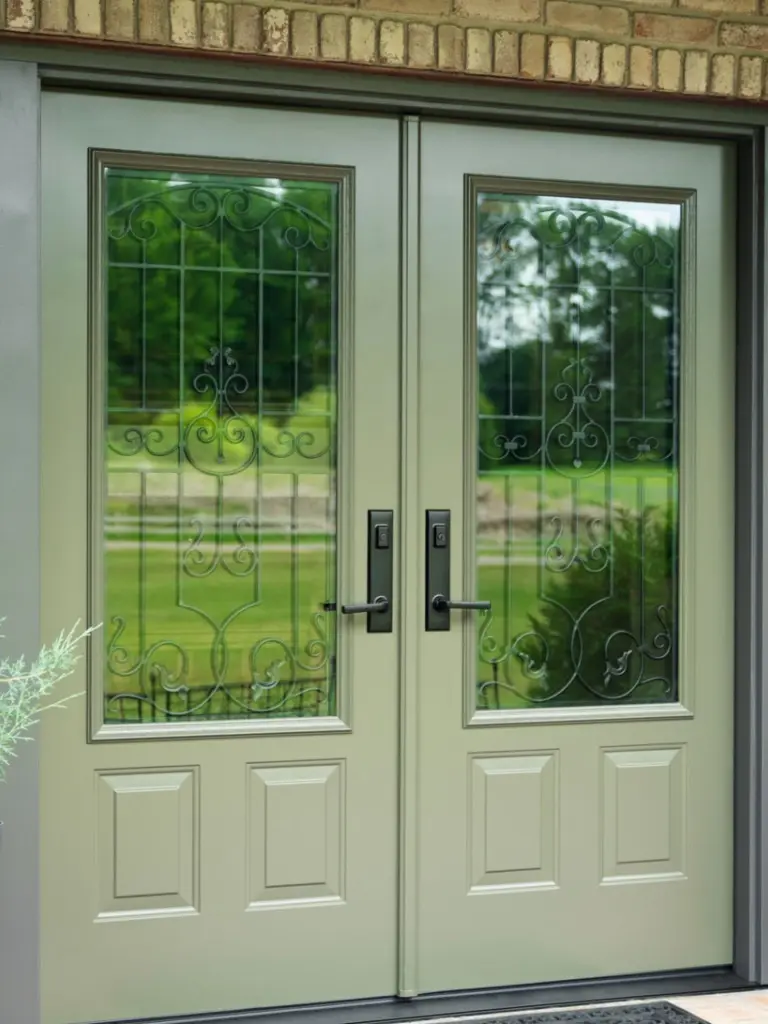
Your front door is more than just an entryway, it's a major player in your home's curb appeal, security, energy efficiency, and comfort. But over time, even the best doors can wear down or become outdated. So how do you know when it's time to replace yours?
Here are 6 clear signs your door might be due for an upgrade.
1. You Feel a Draft (Even When It's Closed)
If you notice cool air sneaking in during the winter or warm air in the summer, your door's seals and insulation may have broken down. Not only does this make your home less comfortable, it drives up your energy bills.
In Maryland, this problem tends to show up most during the temperature extremes of January and July. Run your hand around the door frame on a cold or hot day. If you feel air movement, the weatherstripping has likely compressed and failed, or the door itself has warped enough to leave gaps. Older steel doors can also develop thermal bridging through the frame, letting heat transfer through the metal even where the seal looks intact. Modern doors with polyurethane foam cores and thermally broken frames address both problems.
2. Your Door Sticks, Scrapes, or Won't Close Smoothly
Wood can swell, frames can warp, and hinges can sag. If you have to push, pull, or slam your door just to get it shut, it's more than an inconvenience, it's a sign of structural wear.
Maryland's humidity swings are especially tough on wood doors and wood frames. High summer humidity can cause a wood door to absorb moisture and expand noticeably. Conversely, dry winter air can cause the same door to shrink and rattle in the frame. If your door behaves very differently across seasons, wood movement is likely the culprit. Fiberglass and steel doors don't have this problem: they hold their shape across the full range of temperatures and humidity levels that Central Maryland delivers.
Sagging is a separate issue. A door that drags at the bottom and leaves a gap at the top is often the result of hinge screws pulling out of a deteriorated frame or a foundation shift that has racked the door opening out of square. Sometimes new hinges with longer screws fix this, but a heavily sagged door, or one in a warped frame, usually means replacement is more cost-effective than repair.
3. There's Visible Damage: Cracks, Dents, or Rot
Surface damage isn't just unsightly, it often means there's deeper trouble. Cracks can let in moisture and pests, and rot can spread quickly.
Wood doors and wood frames are vulnerable to rot wherever moisture collects: at the bottom rail of the door, around the threshold, and along the side jambs at ground level. Once rot sets in, it spreads into adjacent wood unless fully removed and replaced. A door that looks solid may have a compromised bottom section that won't hold a hinge or lock bolt securely. If you notice soft spots, discoloration, or paint that keeps bubbling in the same spot, have a contractor probe the wood before assuming a repaint will solve it.
Steel doors can dent and, in humid coastal or bay-adjacent environments like Anne Arundel County, can develop rust at damaged areas. A small dent that exposes bare steel will begin to rust within a single season if left unpainted. Once rust penetrates through the outer skin of a steel door, replacement is generally more practical than restoration.
4. It Looks Outdated or Worn
Your front door sets the tone for your home's first impression. Faded paint, old hardware, or dated design can drag down your curb appeal.
A door upgrade is one of the highest-return exterior improvements available to homeowners. The transformation a new entry door makes in a home's appearance is immediate and noticeable from the street. Beyond aesthetics, updated hardware, including a multi-point locking system, a modern deadbolt, and matching grip and knocker sets, signals that the home is well-maintained and secure.
If you're thinking about a full exterior refresh, the door is a natural place to start because it anchors the rest of the facade. Color, glass design, and hardware style should coordinate with your siding and trim. A new siding project and a new entry door completed together can dramatically transform a home's street presence. Our team can help you work through these decisions so the finished look is cohesive rather than piecemeal.
5. Your Energy Bills Are Creeping Up
Older doors often lack the insulation and technology needed to keep your home energy-efficient. If your utility bills are slowly climbing, your front or back doors might be to blame.
Door energy performance is rated with two key numbers: U-factor, which measures heat transmission (lower is better), and Solar Heat Gain Coefficient, which measures how much solar energy passes through glazing. Modern entry doors from ProVia, one of the brands we install, are engineered to meet Energy Star requirements for the Northern climate zone that covers most of Maryland. Upgrading from a 20-year-old door to a current-generation insulated fiberglass or steel door can meaningfully reduce the heat loss through your entry.
Sliding patio doors and French doors are also common energy loss points. If your home has an older sliding door with a single-pane glass panel and a worn-out weatherstrip, it may be transferring as much heat as a small window left slightly open. Replacing it with a modern insulated sliding door or a multi-panel unit with double- or triple-pane Low-E glass makes a real difference. Visit our doors page to learn more about the options available.
6. You're Concerned About Security
An aging or damaged door can be a weak point in your home's defense. If your locks feel loose or the frame feels soft, it's time for a stronger solution.
The door itself is only as secure as its frame and hardware. Most forced entries happen at the door frame, not through the lock cylinder. A solid door in a deteriorated or incorrectly installed frame is still a vulnerability. Look for doors installed with reinforced strike plates using 3-inch screws that reach into the structural framing, not just the door casing. Multi-point locking systems that engage the frame at three or more points provide substantially more resistance to kick-in attacks than a standard single-point deadbolt.
Glass sidelites and decorative glass panels add light and visual appeal but require tempered or laminated glass to maintain security. If your sidelites have standard annealed glass, they can be broken easily enough to allow someone to reach the interior lock. Upgrading to impact-resistant glass or choosing a door design with a different decorative element eliminates that vulnerability.
Why Choose Classic Remodeling for Your Door Replacement?
We've been trusted by homeowners across Central Maryland for over 26 years. As a family-owned and operated business, we bring a personal touch to every project. We only use industry-trusted brands like ProVia because we believe our neighbors deserve the best, quality materials, expert installation, and long-lasting performance.
Plus, we stand behind our work with strong labor warranties and are proud to maintain an A+ rating with the Better Business Bureau.
We serve homeowners throughout Howard, Montgomery, Carroll, Frederick, Baltimore, Harford, and Anne Arundel counties. Whether your project is a single entry door or a full exterior renovation including windows and doors, we're equipped to handle it with the same attention to detail on every job.
Ready to Upgrade Your Doors? Let's Talk!
Whether you're looking for better insulation, a fresh look, or added security, Classic Remodeling is here to help. Call us today at (888) 371-1720 or visit our free estimate page to schedule your consultation and discover the ProVia difference.