
Article · July 2024
Maximizing Natural Light: Strategies for Window Renovation
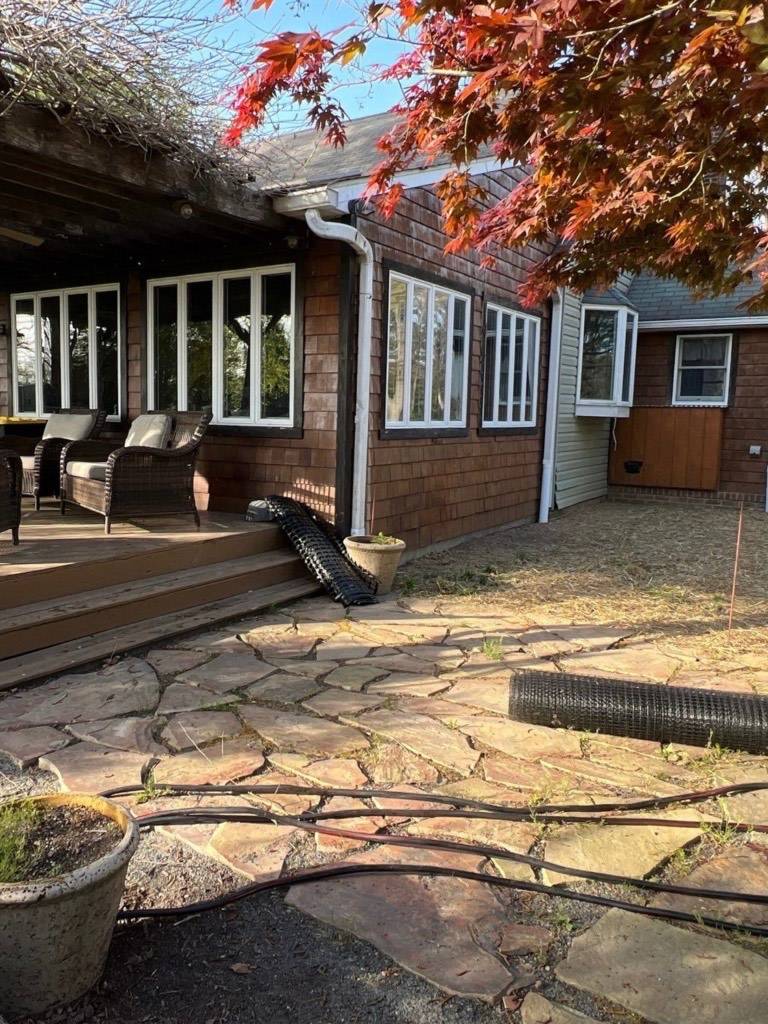
Maximizing natural light in a space can significantly enhance its ambiance, energy efficiency, and overall aesthetic. Here are some effective strategies for window renovation to achieve this.
Choose the Right Window Style
Different window styles can impact the amount of natural light entering a space.
- Picture Windows: These large, fixed windows provide unobstructed views and let in a significant amount of light.
- Bay and Bow Windows: Protruding from the exterior wall, these windows can capture light from multiple angles.
- Sliding Windows: These windows allow for wide openings that can let in ample light.
- Casement Windows: These windows open outwards, allowing for maximum light and ventilation.
Optimize Window Placement
The placement of windows is crucial in maximizing natural light.
- South-Facing Windows: In the Northern Hemisphere, south-facing windows receive the most sunlight throughout the day.
- East and West-Facing Windows: These windows capture morning and afternoon sunlight, respectively.
- High Windows and Clerestories: Placing windows higher on the walls can capture light without compromising privacy.
Expand Window Size
Increasing the size of existing windows can drastically improve light entry.
- Widening Windows: Extending the width of windows allows for a broader influx of light.
- Increasing Window Height: Taller windows can capture more light, especially when placed closer to the ceiling.
Incorporate Glass Doors and Transoms
Glass doors and transom windows can help light flow between spaces.
- Sliding Glass Doors: These doors have large glass panels that allow abundant natural light to pass through, brightening up both adjoining spaces.
- Transom Windows: Placed above doors, these windows can bring in light from adjacent rooms or hallways.
Understanding Maryland's Light Conditions and What They Mean for Window Selection
Natural light is not the same in every region or even in every season. Maryland homeowners in Howard, Baltimore, and Montgomery counties deal with real variability: bright open skies in summer, low-angle winter sun that barely clears the tree line, and the deep shade of mature oaks and maples that canopy many older neighborhoods throughout the state. Understanding how your home interacts with light at different times of year helps you make smarter window decisions rather than simply chasing more glass area.
South-facing windows are the gold standard for passive solar gain in winter, when the sun is low enough in the sky to penetrate deep into a room and warm it from December through February. The same south-facing window, when shaded by a properly sized roof overhang or exterior shading device, will be mostly shaded during summer when the sun is high, reducing cooling loads naturally. This relationship between sun angle and window orientation is one of the oldest principles in residential design, and it is still worth building around when you have a choice about where new windows go.
East-facing windows are excellent for morning light without the afternoon heat gain that west-facing windows deliver. If your kitchen or breakfast area faces east, you likely already appreciate this. West-facing rooms take a beating from late-afternoon sun in summer, making them hot and uncomfortable unless you have quality low-emissivity glass that filters solar heat while still admitting visible light. North-facing windows bring in soft, diffuse light all day long with almost no glare or heat gain, making them ideal for home offices, art studios, or reading rooms where you want consistent, shadow-free illumination.
Glass Technology: Getting More Light Without Sacrificing Efficiency
Modern window glass has come a long way from the single-pane aluminum-framed units that still exist in many older Maryland homes. Today's replacement windows offer a combination of solar control and visible light transmittance that would have seemed like a contradiction just twenty years ago. Understanding a few key specifications helps you choose glass that genuinely improves your home rather than just replacing one tradeoff with another.
U-factor measures how well a window insulates. The lower the number, the better the insulation. In Maryland's climate, a U-factor of 0.30 or below is a reasonable target for most exposures. Solar Heat Gain Coefficient, or SHGC, measures how much solar energy passes through the glass as heat. Lower SHGC values mean less heat gain, which is good for south and west-facing windows in summer but counterproductive for south-facing windows where you want passive solar warmth in winter.
Low-emissivity coatings, typically called low-e, are microscopically thin metallic layers applied to one surface of the glass that selectively block infrared heat while allowing visible light to pass through. The result is a window that feels comfortable to sit near in winter because it does not radiate coldness the way single-pane glass does, while still admitting plenty of visible light. Brands like Vytex offer window packages where the glass package is matched to the window's orientation in your home, a level of specificity that makes a real difference in comfort and energy bills.
Triple-pane glass is worth considering for Maryland homeowners who face extreme noise exposure, perhaps near a busy road, rail line, or flight path, since the additional pane and gas fill significantly improves sound attenuation alongside its insulating properties. For most applications, however, high-quality double-pane low-e with argon gas fill delivers an excellent balance of performance and cost.
Renovation Strategies for Existing Homes
Most Maryland homeowners are working with existing homes rather than building from scratch, which means window choices involve structural constraints and existing rough opening sizes. The good news is that modern replacement windows are designed to work within most existing openings, and full-frame replacement, where the old window and its frame are removed entirely, opens the door to resizing if the structural situation allows it.
Replacing small, divided-light colonial windows with larger single or double-hung units is one of the most effective ways to dramatically improve natural light in a room without touching the floor plan. In many Howard County and Baltimore County colonials built in the 1970s and 1980s, the original windows are undersized by today's standards. Opening those rough openings to accept taller or wider units brings in significantly more light and modernizes the exterior appearance at the same time.
Bay and bow windows are particularly effective for living rooms or dining rooms where a standard window wall creates a cramped, closed-in feel. A bay window projects outward from the wall plane, increasing not just the glass area but also the angle from which the room captures sky. The result is a dramatic improvement in how bright and open the room feels, even when the exterior footprint is only 12 to 18 inches deeper than before. These installations require proper structural support and weatherproofing, so working with an experienced contractor is essential.
Casement windows are often the best choice for rooms where you want ventilation alongside light. Unlike double-hung windows where only half the opening area is ever open at one time, a casement window opens fully along its entire height, acting as a scoop that channels even light breezes into the room. For Maryland's hot, still summer evenings, this can make a meaningful difference in comfort without running the air conditioning.
Combining Window Upgrades with Other Exterior Work
Window replacement is often most cost-effective when it is coordinated with other exterior projects. When siding is being replaced, the window trim and flashing are disturbed anyway, making it a natural time to address window units as well. Similarly, if you are adding a screened enclosure or sunroom to extend your outdoor living season, the glazing choices for that structure are part of the same design conversation as your interior window upgrades.
Classic Remodeling installs windows as part of comprehensive exterior updates across Maryland. Our replacement window services cover everything from single window replacements to whole-home window programs coordinated with siding replacement or enclosure additions. Homeowners in Howard County and Anne Arundel County can request a free written estimate and have one of our team members walk through the specific light and ventilation challenges in their home.
Start with a Free Estimate
Whether you are replacing a handful of aging windows or planning a whole-home transformation, Classic Remodeling is ready to help. We have been serving Maryland homeowners since 1997 and can help you choose window styles, glass packages, and frame materials that match your home's architecture, your energy goals, and your budget. Request a free written estimate online or call (888) 371-1720 to speak with our team.