
Article · February 2025
The Best Siding Colors for Maryland Homes: Trends & Timeless Choices
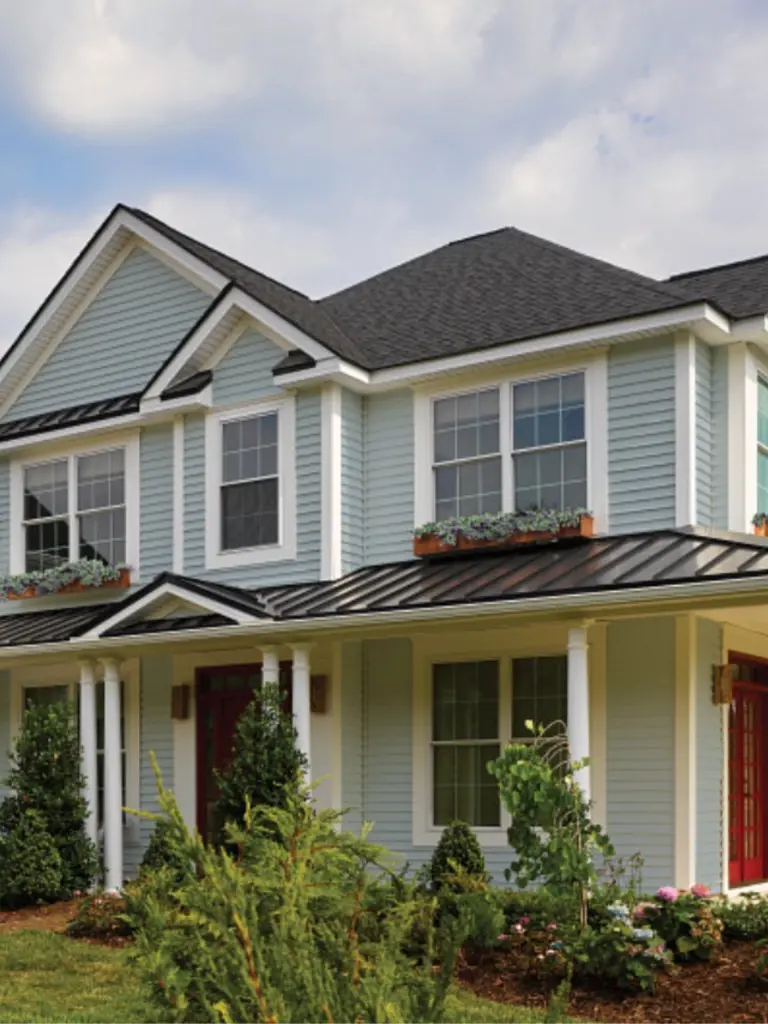
Choosing the right siding color is crucial for enhancing your home's curb appeal and resale value. In Maryland, with its diverse architectural styles and distinct seasonal climate, selecting a siding color that complements both your home's design and the local environment can significantly impact your property's aesthetics and durability.
Top Siding Colors for Maryland Homes
Classic & Timeless Colors
- Colonial White: This versatile shade offers a clean and elegant appearance, making it suitable for various architectural styles, including colonial and modern designs.
- Slate Gray: A sophisticated neutral that pairs well with Maryland's frequent overcast skies, providing a balanced and enduring look.
- Navy Blue: Ideal for coastal and historic areas, this bold yet classic color adds depth and character to traditional homes.
- Sage Green: This muted green harmonizes with Maryland's lush landscapes, offering a serene and natural aesthetic that suits Craftsman-style homes.
Trending Modern Colors
- Charcoal Black: A sleek and dramatic choice, charcoal black siding creates a striking contrast, especially when paired with lighter trims or natural wood accents.
- Taupe & Greige (Gray + Beige): These warm neutrals adapt well to varying lighting conditions, providing a versatile backdrop that complements both traditional and contemporary designs.
- Deep Green: Inspired by nature, deep green siding is gaining popularity in suburban and rural Maryland homes, offering a rich and inviting appearance.
Coastal Maryland Aesthetic
- Soft Blue: Reflecting the hues of the Chesapeake Bay, soft blue siding imparts a calming and airy feel, perfect for coastal properties.
- Warm Sandstone: This light beige with warm undertones evokes the sandy shores, adding a touch of warmth and elegance to beachside homes.
- Pale Yellow: A cheerful and inviting color, pale yellow is commonly seen in Eastern Shore residences, exuding a welcoming and sunny disposition.
How Maryland's Climate Should Influence Your Color Decision
Color is not purely a visual decision. The way a siding color performs under real-world conditions depends on the material it is printed or extruded into, and on how well that color holds up against the specific stresses Maryland weather delivers year-round.
Fade Resistance in Full Sun
Maryland summers are intense. South and west facing walls in Howard, Montgomery, and Anne Arundel counties can receive direct afternoon sun for six or more hours a day from May through September. Darker colors absorb more solar energy, which can accelerate fading on lower-quality siding products. If you are drawn to deep charcoal, navy, or dark green, choosing a premium siding line with a proven fade-limited warranty is especially important. CertainTeed's vinyl and fiber cement siding products carry multi-decade fade warranties that give darker color choices a realistic service life comparable to lighter tones.
Heat Buildup and Expansion
Vinyl siding expands and contracts with temperature swings. Maryland's summer highs and winter lows create a meaningful range of thermal movement. Very dark vinyl siding can absorb enough solar heat to soften slightly on south-facing walls, which can cause waviness if the product was not installed with adequate expansion gaps. This is not a reason to avoid dark colors entirely, but it is a reason to choose a siding product engineered for darker colorways and to work with an installer who understands proper expansion allowances. Fiber cement siding, such as products from LP SmartSide, handles thermal movement differently than vinyl and is generally less sensitive to heat buildup from dark colors.
Algae and Dirt Visibility
Maryland's humid climate, particularly in shaded areas on the north and east sides of homes, creates conditions where algae and mildew can develop on exterior surfaces over time. Medium-toned colors, such as warm grays, sage greens, and taupes, tend to camouflage light biological growth better than very light whites or very dark blacks. That said, quality siding materials with smooth or lightly textured surfaces resist biological growth better than rough or highly porous surfaces, regardless of color.
Matching Siding Color to Your Home's Architecture
Maryland's neighborhoods span a wide range of architectural periods and styles. The right color choice acknowledges the bones of your home, not just your personal preference for a particular hue.
Colonial and Federal Homes
Howard and Frederick counties contain many colonial, federal, and Georgian-style homes. These styles have strong historical precedent in the Mid-Atlantic region. Classic white, warm cream, and soft gray work naturally with the symmetrical facades and formal proportions of these homes. Navy and deep forest green shutters or trim provide contrast without departing from the traditional palette of the region.
Craftsman and Bungalow Styles
Craftsman homes call for earthy, nature-inspired palettes. Sage green, warm taupe, olive, and muted gold tones feel appropriate against the exposed wood details, covered porches, and low-pitched rooflines typical of bungalow architecture. These colors also blend well with the mature tree canopy found in older neighborhoods throughout Baltimore and Carroll counties.
Contemporary and New Construction
Newer construction in Montgomery County and the suburbs around Columbia and Ellicott City increasingly features clean lines and mixed materials. Charcoal black or dark gray siding paired with white trim and contrasting accent panels in natural wood tones or warm bronze creates a high-contrast, modern look. Alside and CertainTeed both offer siding lines in contemporary colorways suited to this aesthetic.
Cape Cods and Split-Levels
Cape Cod homes benefit from colors that make their relatively modest proportions feel grounded. Medium-toned grays, warm beige, and muted blue all help a cape feel pulled-together without overwhelming its scale. Split-levels, which often have two distinct material zones, work well when the upper and lower sections are treated as related but distinct: a medium main color paired with a slightly darker or lighter accent on the lower zone creates visual interest without clashing.
Practical Tips for Choosing Before You Commit
Picking a siding color from a small chip sample in a showroom under fluorescent lighting is one of the most unreliable ways to make this decision. A few practices lead to better outcomes.
- Order large samples: Most manufacturers offer full-size sample panels. Mount them on your actual home and observe how they look in morning light, afternoon sun, and overcast conditions over several days.
- Look at the roof first: Your existing or planned roofing color sets a boundary for siding choices. Warm-toned roofing (tan, brown, or terracotta) pairs poorly with cool-toned siding colors like blue-gray or slate, while cool-toned roofing in charcoal or weathered gray works with a wider range of siding palettes.
- Consider the fixed elements: Foundation color, driveway material, masonry, and any brick or stone accents are not changing with the siding. Work with those fixed elements rather than against them.
- Think about trim contrast: A trim color that is two or three shades lighter or darker than the main body color reads as intentional and crisp. Too little contrast and the trim disappears. Too much and it can feel jarring.
- Check neighborhood context: You do not have to match neighboring homes, but a color that reads as dramatically out of place can affect resale. Aim for a palette that feels like a considered personal choice within the broader streetscape.
Siding Material Affects How Colors Look and Last
Color selection and material selection are linked. The same color name can look and perform differently across vinyl, fiber cement, and engineered wood siding products. Understanding your material options helps you choose a color that will actually deliver what you expect over the long haul. You can explore the full range of siding materials and installation options we offer, including CertainTeed vinyl, LP SmartSide engineered wood, and Alside products.
- Vinyl siding: Color is extruded through the full thickness of the panel on better products. Lower-end vinyl has color only in a surface layer that can fade or chip to reveal a different base color underneath. Always ask about the color-through depth of any vinyl product you are considering.
- Fiber cement: Comes primed from the factory and requires field painting, giving you virtually unlimited color options. The paint finish can be refreshed later if you want to change colors, which vinyl cannot accommodate without full replacement.
- Engineered wood (LP SmartSide): Available in factory-applied finishes in a range of colors, with a surface texture that mimics real wood grain. Holds paint very well if you choose to repaint later.
Choosing the right siding color enhances your Maryland home's curb appeal, durability, and value. Whether you prefer classic tones like Colonial White or bold modern hues like Charcoal Black, selecting a color that complements your home's style and environment is key. CertainTeed offers a variety of high-quality, fade-resistant vinyl siding options to suit any aesthetic, and our team can help you compare samples in person before you commit to a choice.
Ready to update your home's exterior? We provide free written estimates for siding projects throughout Howard, Montgomery, Carroll, Frederick, Baltimore, Harford, and Anne Arundel counties. Request your free estimate online or call us at (888) 371-1720 to schedule a consultation and review color samples for your specific home.