
Article · December 5, 2023 · Updated August 9, 2026
What to Look For in an Energy-Efficient Door
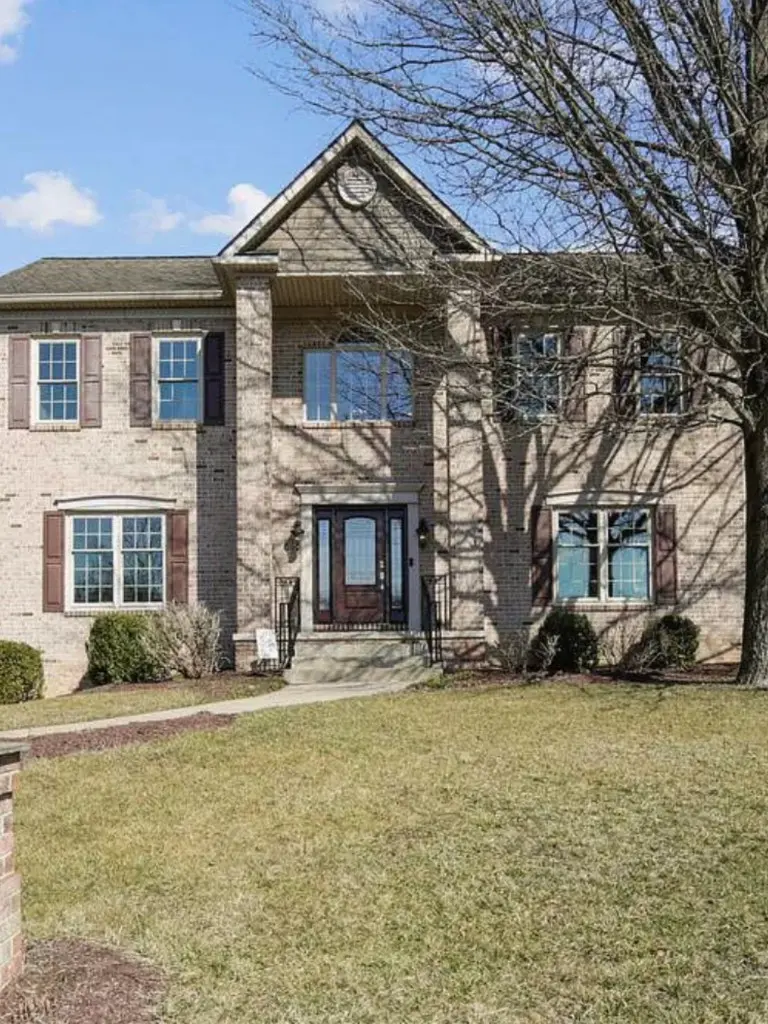
If you're shopping for an energy-efficient exterior door, start with the NFRC label. Look for a low U-factor, an ENERGY STAR rating for your area, tight weatherstripping, and an insulated frame or core. Just as important, make sure the door is installed correctly—a high-performing door can still feel drafty if the frame, sill, or seals leave gaps.
Features worth comparing include:
- An insulated core and frame to slow heat transfer.
- Compression weatherstripping that seals evenly when the door is closed.
- Insulated glass with the right Low-E coating and gas fill when the door has glass.
- A well-fitted threshold and sill that limit air and water intrusion.
Why Energy-Efficient Doors Matter in Maryland
Maryland doors face humid summers, winter cold, and wind-driven rain. Temperature changes and worn seals can open gaps around the frame or threshold, so the panel is only one part of the door's performance.
The U.S. Department of Energy recommends sealing air leaks around door frames and using weatherstripping on moving parts. The rough opening, flashing, threshold, and surrounding trim also affect air and water control.
How to Read the NFRC Label
The National Fenestration Rating Council provides independent ratings that let homeowners compare the performance of complete window, door, and skylight products. On a door with glass, these five measurements explain different parts of its performance:
- U-Factor – Measures heat transfer through the complete product. Lower numbers indicate better insulating performance.
- Solar Heat Gain Coefficient (SHGC) – Measures how much solar heat the product admits. It uses a scale of 0 to 1, and lower numbers admit less solar heat.
- Visible Transmittance – Measures how much visible light passes through the product on a scale of 0 to 1. Higher numbers admit more daylight.
- Air Leakage – Measures how much air passes through the product's joints. Lower numbers indicate less leakage.
- Condensation Resistance – Measures how well the product resists condensation. Higher numbers indicate greater resistance.
When you're shopping for a replacement door, ask to see the NFRC label for the exact glass and door configuration you are considering. A lower U-factor means less heat transfer through the complete product. A lower air-leakage number means less air passes through its joints. SHGC becomes especially important as the amount of glass increases, because it shows how much solar heat the glazing admits.
What ENERGY STAR Certification Means
According to ENERGY STAR's current product criteria, a certified exterior door must meet three requirements:
- The manufacturer is an ENERGY STAR partner.
- The product is independently tested, certified, and verified by the NFRC.
- Its NFRC ratings meet energy-efficiency guidelines set by the U.S. Environmental Protection Agency.
Door requirements also change with glazing level—the amount of glass in the door. An opaque entry door is evaluated differently from a half-lite door or a sliding patio door. Use the ENERGY STAR Climate Zone Finder to check your Maryland county, and then confirm that the exact product configuration is certified for that zone.
Fiberglass vs. Steel: Choosing the Right Door Material
Both fiberglass and steel doors can perform well, so the final decision should account for the opening, exposure, glass package, security priorities, maintenance preferences, and budget. The U.S. Department of Energy's guidance is technology-neutral, which is another reason to compare the exact NFRC ratings instead of choosing by material alone.
Fiberglass is often chosen for a low-maintenance wood look. Steel may suit an entry where security or budget is the priority, although dents and damaged finish need attention. With either material, the glass package and complete NFRC rating matter more than the material name alone.
Sliding Patio Doors and Glass Performance
Because patio doors have more glass than most entry doors, the glass package has a larger effect on overall performance. The U.S. Department of Energy explains that multiple panes, Low-E coatings, gas fills, and less-conductive frames can reduce heat transfer.
Argon or krypton gas between panes can further slow heat transfer compared with plain air. The exact benefit depends on the complete glass package, spacer, frame, door operation, and installation, which is why the NFRC rating is more useful than judging any one feature by itself.
If your existing patio door is fogged between the panes, drafty at the edges, or difficult to slide smoothly, it is worth having the complete opening evaluated. A properly selected and installed replacement can improve operation, air sealing, and comfort.
What a Complete Door Evaluation Should Check
A complete replacement-door evaluation should start with the opening—not the catalog. Check for daylight or drafts around the perimeter, a worn threshold, water staining, soft trim or framing, failed glass seals, and a door that rubs or will not latch cleanly. Also consider the direction the door faces, how much glass is wanted, and whether the entry is protected by a porch or exposed to wind and rain.
Those details help determine the appropriate frame, sill, glass package, and door material. They also help prevent a common mistake: buying a highly rated door while overlooking an opening or installation detail that keeps the complete system from performing as intended.
Keep the Product Information
Keep the NFRC label, ENERGY STAR information, warranty, and installation paperwork after the project is complete. That record gives you the exact product configuration and performance ratings if you need service later or want to document the upgrade for a future buyer.
Sources and Further Reading
- ENERGY STAR: Windows, Doors, and Skylights Key Product Criteria
- ENERGY STAR: Climate Zone Finder
- National Fenestration Rating Council: Understanding Product Ratings
- U.S. Department of Energy: Energy-Efficient Windows, Doors, and Skylights
If you would like professional help evaluating an entry or patio door, Classic Remodeling serves homeowners throughout Central Maryland. Call (888) 371-1720 or request a free written estimate online.