Article · December 16, 2024
Winter Decking Care Tips
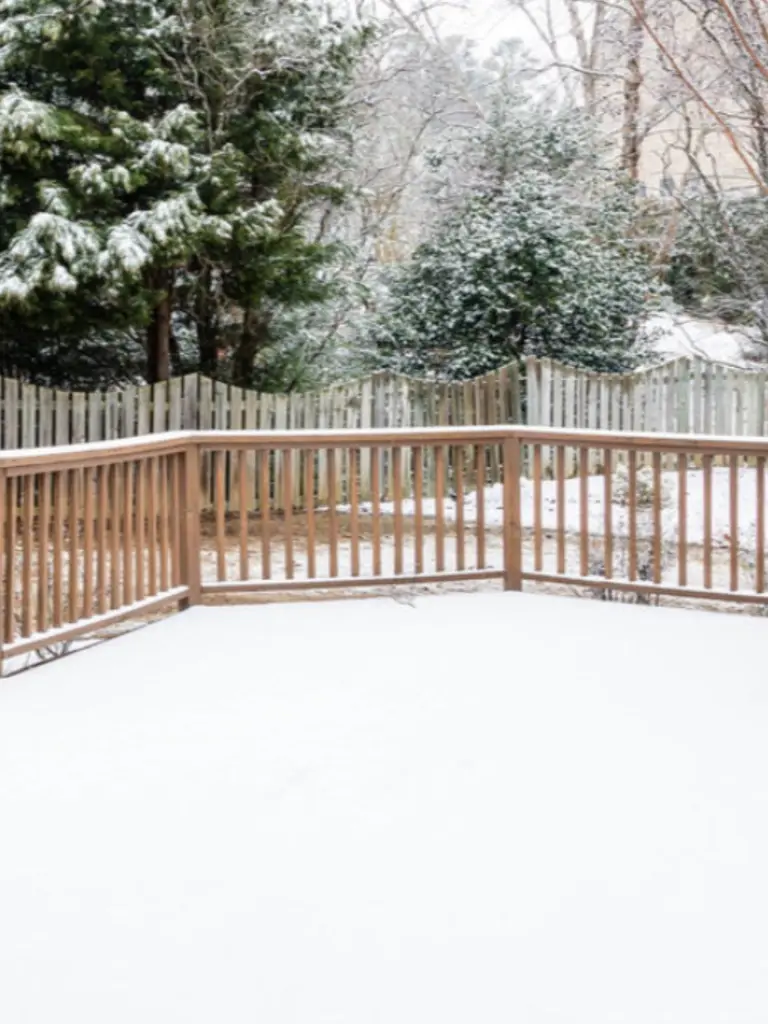
Winter is here, and for deck owners, it's the season to step up your maintenance routine. Proper care not only sustains your outdoor living space's appearance but also prevents significant damage. If you own a wood deck, clearing ice and snow is essential to avoid rot and structural issues caused by moisture. Composite and PVC decks, on the other hand, require less upkeep but still benefit from thoughtful winter care. Here's how to keep your deck in top shape this winter.
Composite Decking Snow Removal
Caring for composite or PVC decking during winter is straightforward, but you should always follow the manufacturer's care instructions. For TimberTech Composite or Advanced PVC Decking, here are the recommended steps:
- Remove Outdoor Items: Bring in patio furniture, appliances, or decor that can't handle cold or moisture.
- Clear Debris: Remove leaves, sticks, and other debris to prevent build-up.
- Shovel Safely: Use a plastic shovel to remove snow periodically. Avoid metal shovels, as they can damage the deck's surface.
- Melt Ice Properly: Apply a calcium chloride product (not rock salt) to safely remove ice without harming your deck's surface.
While removing all snow isn't strictly necessary for TimberTech decks, doing so helps maintain functionality and appearance. Rest assured, properly installed composite decks can handle the weight and moisture of snow without sustaining damage.
Winter Care for Wood Decks
Wood decks are more susceptible to moisture damage from snow and ice. Without proper maintenance, winter weather can cause:
- Buckling, warping, and cracking due to expansion and contraction of wet boards.
- Mold and mildew growth as snow melts and moisture lingers.
- Rot development, which can occur even in below-freezing temperatures.
Preparing and Cleaning Your Wood Deck
- Inspect for Mold and Mildew: Use chemical cleaners to remove any growth.
- Rinse Thoroughly: Power wash or hose down the deck and allow it to dry for 24-48 hours.
- Stain and Seal: Apply protective finishes to shield your deck from moisture. Be cautious, as these products may release volatile organic compounds (VOCs).
Snow and Ice Removal Tips for Wood Decks
- Clear Debris: Remove leaves, sticks, and other materials that trap moisture.
- Shovel Snow Regularly: Relieve pressure and minimize moisture build-up.
- Avoid Rock Salt: Use a DIY ice melt (two parts vinegar, one part water, plus a little dish soap) instead. Rock salt can accelerate erosion and disrupt wood's moisture balance.
- Steer Clear of Sand: Sand can scratch and damage the deck surface.
Neglecting these steps can lead to significant structural and aesthetic issues, so regular maintenance is a must.
Winter Deck Maintenance Best Practices
Whether you own a wood or composite deck, these universal tips can help:
- Use Plastic Shovels: Metal shovels can scratch or gouge deck surfaces. Consider a shovel with a protective rubber blade for added safety.
- Blow or Brush Powdery Snow: A leaf blower or soft-bristled brush can clear fresh snow without damaging the boards.
- Mind Ice Melt Products: Stick to calcium chloride for composite decks and vinegar-based solutions for wood. Avoid harsh chemicals like rock salt and coarse materials like sand.
- Remove Hanging Ice: Icicles from gutters or railings can fall and damage your deck. Clear them promptly to prevent scratches and ensure safety.
Choosing the Best Deck for Winter Weather
Prevention is the best cure for winter-related deck damage. If you're planning to build or upgrade a deck, consider composite or PVC materials for their durability and low-maintenance benefits:
- TimberTech Advanced PVC and Composite Decking: These options resist water damage, rot, and warping. They feature protective polymer caps and cores made from polymers or recycled materials, ensuring longevity and resistance to moisture.
- Wood Decking: While naturally beautiful, wood requires regular staining, sealing, and other upkeep to withstand heavy snow and ice.
Experience the Difference
Proper maintenance can keep any deck in great shape through winter, but switching to composite or PVC decking minimizes maintenance efforts and maximizes durability. Invest in your deck this winter to enjoy a functional, beautiful outdoor space year-round.
Why Maryland Winters Are Especially Hard on Decks
If you live in Howard, Carroll, or Frederick County, you already know that Maryland winters don't follow a consistent pattern. Some years bring a single moderate snowfall and mild temperatures. Others bring repeated freeze-thaw cycles that are far more damaging to outdoor materials than a prolonged deep freeze would be.
That freeze-thaw pattern is the real enemy of decking materials. Water works its way into small gaps and pores, freezes and expands, then thaws and contracts. Each cycle opens those gaps a bit wider. For wood decking, this process accelerates checking, cracking, and the breakdown of any sealant or stain that was applied in the fall. For composite decking, the concern is less about the board itself and more about what accumulates in the gapping between boards: water, ice, and debris that can force boards apart at the fasteners if left unmanaged over multiple freeze-thaw cycles.
Nor'easter events that affect Baltimore and Harford County homeowners present a different challenge: heavy, wet snow that accumulates quickly and packs down under its own weight. Wet snow is significantly heavier than dry powder, and while a well-built deck has substantial structural capacity, the real risk is what happens after the snow melts. If drainage through the deck gapping is blocked by debris or ice dams at the perimeter, standing water on the surface prolongs moisture exposure to the decking and the framing below.
Anne Arundel County homeowners near the Chesapeake Bay and its tributaries face the added complication of salt air, which is corrosive to metal fasteners and hardware over time. This is one reason to prioritize stainless steel or hot-dipped galvanized fasteners in coastal installations, and to inspect deck hardware for corrosion before each winter season.
Fall Prep: The Work You Do Before Winter Arrives
The most effective winter deck maintenance actually happens in October and early November, before the first hard freeze. Taking these steps during fall protects your investment all winter long and reduces the amount of remediation needed in spring.
Inspect the structure, not just the surface. Walk the perimeter and look underneath the deck at the posts, beams, and ledger board attachment. Look for signs of rot at the post bases, where wood contacts or comes close to soil or concrete. Check the ledger board connection to the house for any separation, water staining, or soft spots. Structural issues caught in fall are far easier and cheaper to address than ones discovered in spring after months of freeze-thaw stress.
Clear the drainage gaps. Debris that has accumulated between deck boards blocks the drainage that keeps your deck surface dry. Use a putty knife, a thin screwdriver, or a specialized deck cleaning tool to clear packed material from between the boards before the first snow arrives. This is especially important for low-clearance decks where ventilation beneath the boards is limited.
Seal your wood deck before temperatures drop below 50 degrees. Most deck stains and sealers require temperatures above 50 degrees Fahrenheit during application and curing. If you're planning to refinish a wood deck before winter, the window in the Mid-Atlantic region is roughly mid-September through mid-October on average. After that, you're gambling on a stretch of warm enough days. Applying sealer at the wrong temperature produces a finish that doesn't bond properly and will peel or flake by spring.
Store or cover furniture properly. Outdoor furniture left on the deck over winter creates two problems. First, moisture trapped beneath furniture legs and frames causes accelerated surface wear at those contact points. Second, metal furniture components can scratch deck surfaces if they shift in wind. Either store furniture in a garage or shed, or use proper breathable outdoor furniture covers designed for winter storage.
Post-Winter Inspection: What to Look for in Spring
Once temperatures reliably stay above freezing, usually late March or early April in most Maryland counties, it's worth doing a thorough deck inspection before resuming regular use.
For composite and PVC decks, look for any boards that appear raised or shifted, which can indicate fastener movement from freeze-thaw cycles. Check that railing posts are still secure and that no hardware has corroded. Rinse the entire surface with a garden hose to clear any winter grime from the deck boards and inspect the color for any unusual staining from ice melt products used during the season.
For wood decks, spring inspection is more involved. Look along every board for raised grain, checking (small surface cracks), or boards that have cupped or crowned. Probe soft-looking areas with a screwdriver to check for rot below the surface. If the screwdriver sinks into the wood with light pressure, the board or structural member has rot and needs to be replaced before the deck is used. Any boards that are cracked through or badly checked should be replaced rather than refinished, since surface coatings won't bridge a structural split.
If the spring inspection reveals more than surface wear, it may be time to consider whether the deck has reached the end of its useful service life. A deck with compromised framing or extensive board damage is often more expensive to repair properly than to replace outright. Our deck replacement service page describes what a new deck project involves, and our team can help you assess whether repair or replacement makes more sense for your specific situation.
If you're considering adding a covered structure over your deck to reduce winter maintenance and extend the season, a screened enclosure or three-season room can make a significant difference. See our enclosures page for how those projects work.
Classic Remodeling has helped Maryland homeowners build and maintain outdoor living spaces since 1997. Whether you're managing winter care on an existing deck or thinking about a new composite deck that's built to handle Mid-Atlantic winters with minimal effort, we're here to help. Call us at (888) 371-1720 or submit a request at our free estimate page for a written quote with no pressure and no obligation.