
Article · May 14, 2025 · Updated August 14, 2026
Should You Build a Deck in Summer? What to Plan First
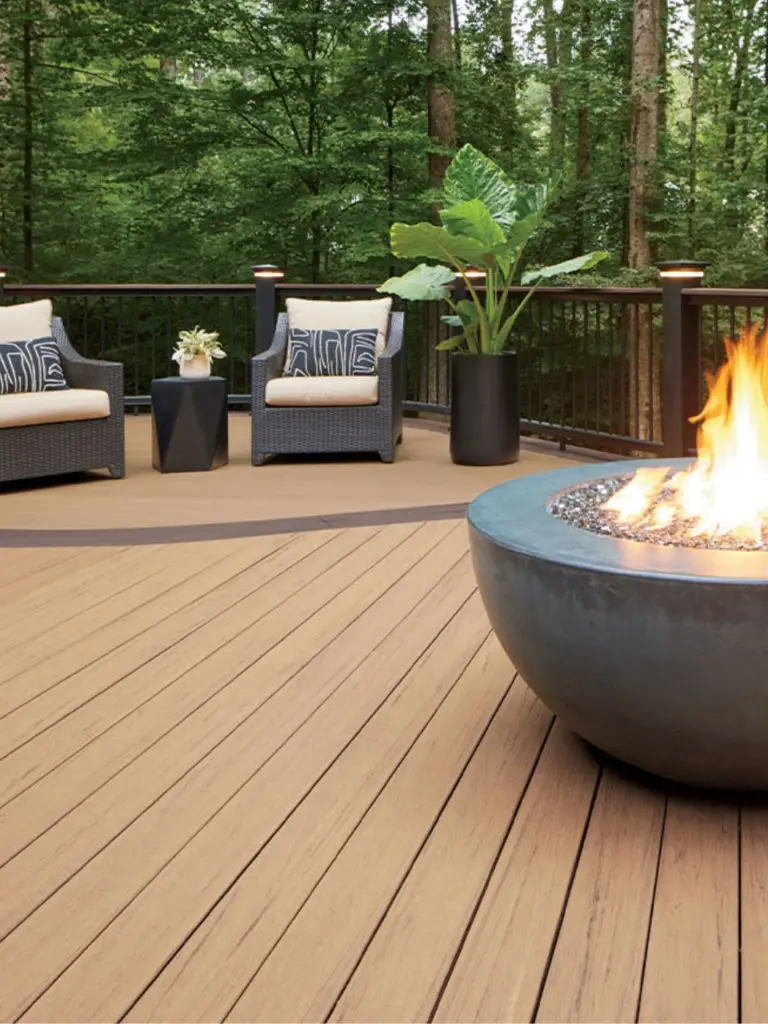
Summer can be a good time to build or upgrade a deck, but the season alone should not drive the decision. Permit timing, contractor schedules, material availability, weather, and the condition of the existing structure matter more. Begin with how you want to use the deck, confirm what the site allows, and compare a realistic project schedule before choosing a start date.
There Is No Single Best Season for Every Deck Project
Summer makes it easy to notice what an outdoor space is missing. It can also be a busy period for contractors and permit offices, and hot or stormy weather can affect individual workdays. Starting in summer does not guarantee that the entire project will be available for the same season.
Ask for a schedule that separates design, selections, permitting, material lead time, construction, and inspections. That gives a more useful answer than a single promised start date.
Decide How the Deck Will Be Used
A deck planned mainly for two people and a grill has different needs from one designed for dining, larger gatherings, or access to the yard. Measure the furniture and equipment, then test the arrangement at full scale before settling on dimensions. The guide to choosing a deck size explains how to account for doors, circulation, stairs, and site constraints.
It is worth planning for ordinary days first. A comfortable daily layout is generally more useful than an oversized arrangement built around an occasional event.
Compare Materials Without Ignoring the Setting
Wood, composite, and PVC decking differ in appearance, care, installation requirements, warranty terms, and cost. Color and direct sun also affect how a walking surface feels in summer. Review physical samples outdoors and read the current manufacturer documents for the exact collection under consideration.
If new boards will be installed on an existing frame, have that frame evaluated first. A clean surface does not reveal the condition of the ledger, posts, beams, joists, footings, or concealed fasteners.
Plan Shade and Evening Use at the Same Time
Shade can come from the house, an umbrella, a pergola, or a roof, but each option affects the layout differently. Track where the sun falls in the afternoon instead of assuming the deck will behave like the yard did before construction.
If the deck will be used after dark, plan stairs and changes in level first. Wiring is easier to conceal before boards and railings are complete. The deck-lighting guide covers riser, post-cap, recessed, wired, and solar options.
Check the Site and Permit Path Early
The American Wood Council's residential deck guide shows the kinds of dimensions and structural details commonly included in deck plans. It is based on a particular model-code edition and does not replace local requirements or project-specific engineering.
Maryland adopts statewide codes, while counties and municipalities administer permits and may use local amendments. Review the state's building-code information and contact the proper office through its local building-official directory. Ask about setbacks, plats or site plans, structural documents, utilities, and inspections.
Know Whether the Existing Deck Needs Repair or Replacement
Loose railings, movement, sagging, damaged stairs, decayed wood, corroded connectors, or separation at the house deserve prompt attention. Stop using an area that feels unstable and have it evaluated by a qualified professional. Replacing the visible boards alone may conceal a structural problem rather than solve it.
The North American Deck and Railing Association's evaluation guide provides an industry checklist for reviewing a deck's major components. It is useful for organizing questions, but it is not a substitute for a local inspection or engineering when those are needed.
Questions to Ask Before Scheduling Summer Work
- What is included in design, permitting, demolition, and cleanup?
- Which materials and colors are actually available?
- What conditions could change the schedule?
- How will stairs, shade, lighting, and drainage be handled?
- Has the existing structure been evaluated?
- Which warranties apply to products and workmanship?
Sources and Further Reading
- American Wood Council: Residential Deck Construction Guide
- Maryland Department of Labor: Building Codes
- Maryland Department of Labor: Local Building Officials
- NADRA: Deck Evaluation Guide
Classic Remodeling's deck service page contains the project types, materials, and completed work currently documented on the site.